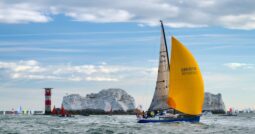
Day 1: Join the yacht in St Lucia
Meet your skipper, mate and fellow crew in Rodney Bay and settle onboard. Most people joining will have little or no racing experience, and it is completely normal for the whole thing to feel slightly intimidating at first. Racing has its own language, roles and rhythms, and from the outside it can all seem quite complicated. We start by making it simple. We go through the yacht, the safety briefing, the plan for the week and the route south through the Grenadines.
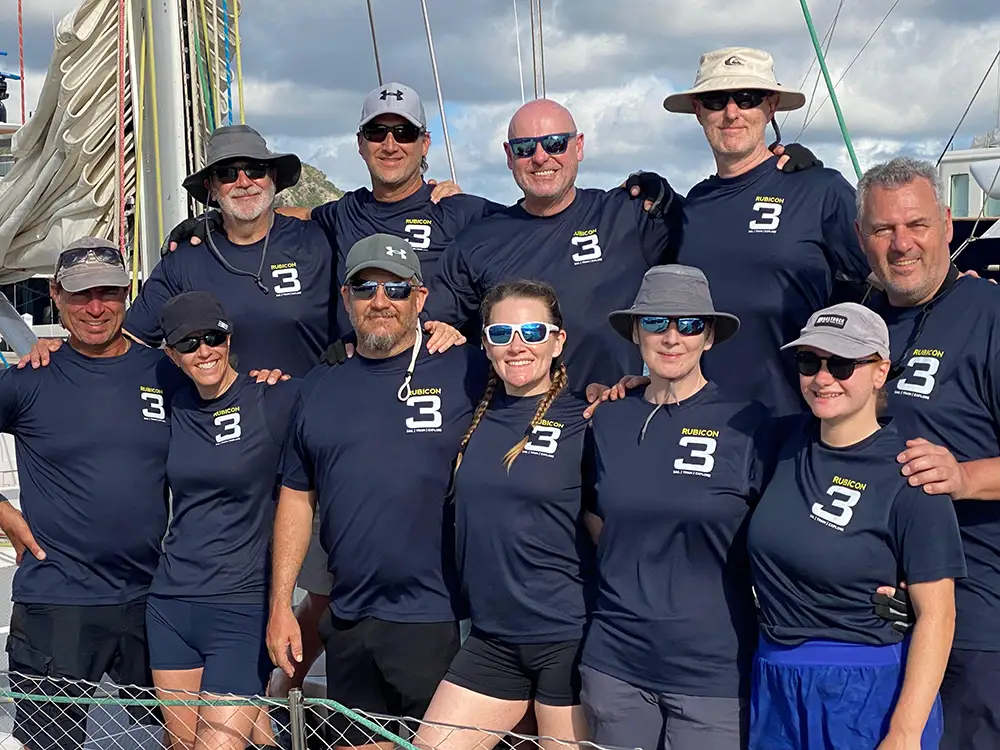
Day 2: Sail south from St Lucia
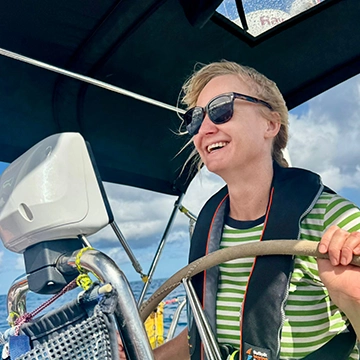
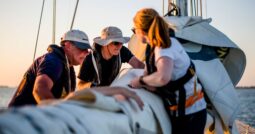
We leave St Lucia and begin the passage south. This first day is about getting comfortable with the yacht and starting the race training. You will helm, trim sails, practise manoeuvres and begin to understand how the different crew roles fit together. Nothing is assumed. We explain what is happening, why it matters and how the crew works together. By the end of the day, racing already starts to feel a little less mysterious.
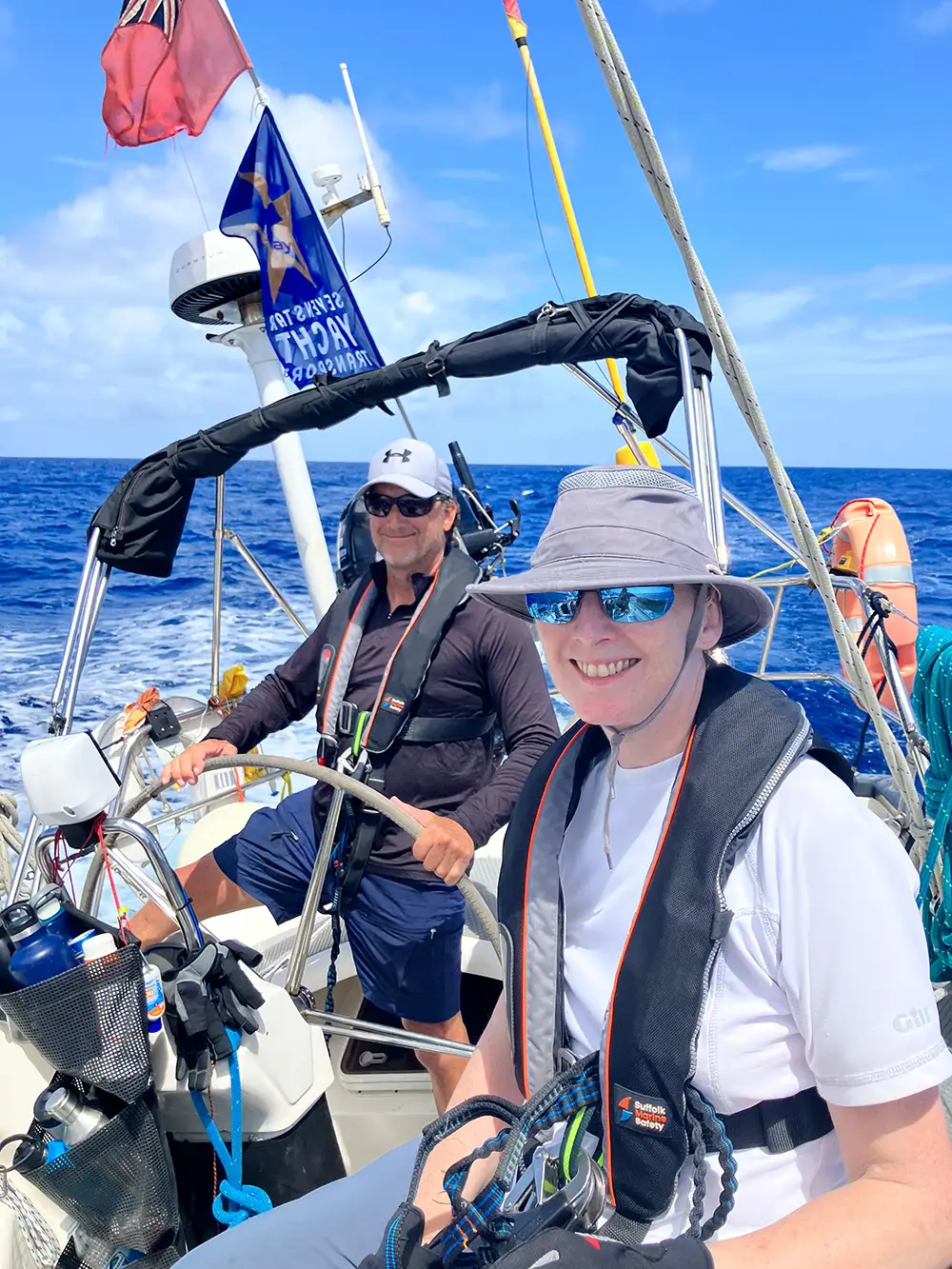
Day 3: Through the Grenadines
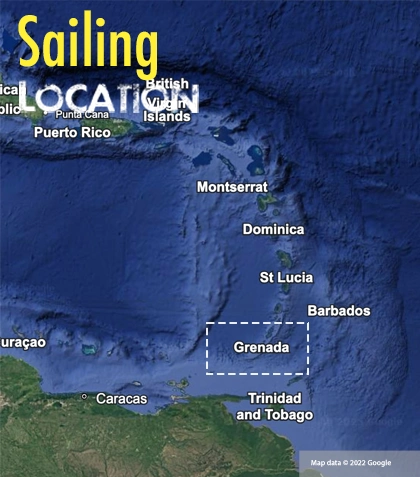
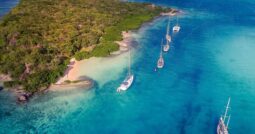
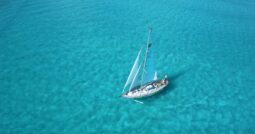
We continue south through the Grenadines, sailing past islands such as St Vincent, Bequia, Mustique and Canouan as we use the passage as our training ground. As the day goes on, the crew starts to work more smoothly together. We build on sail trim, manoeuvres, communication and boat speed, while enjoying some of the best sailing and scenery in the Caribbean. What felt unfamiliar on day one is now beginning to make sense.
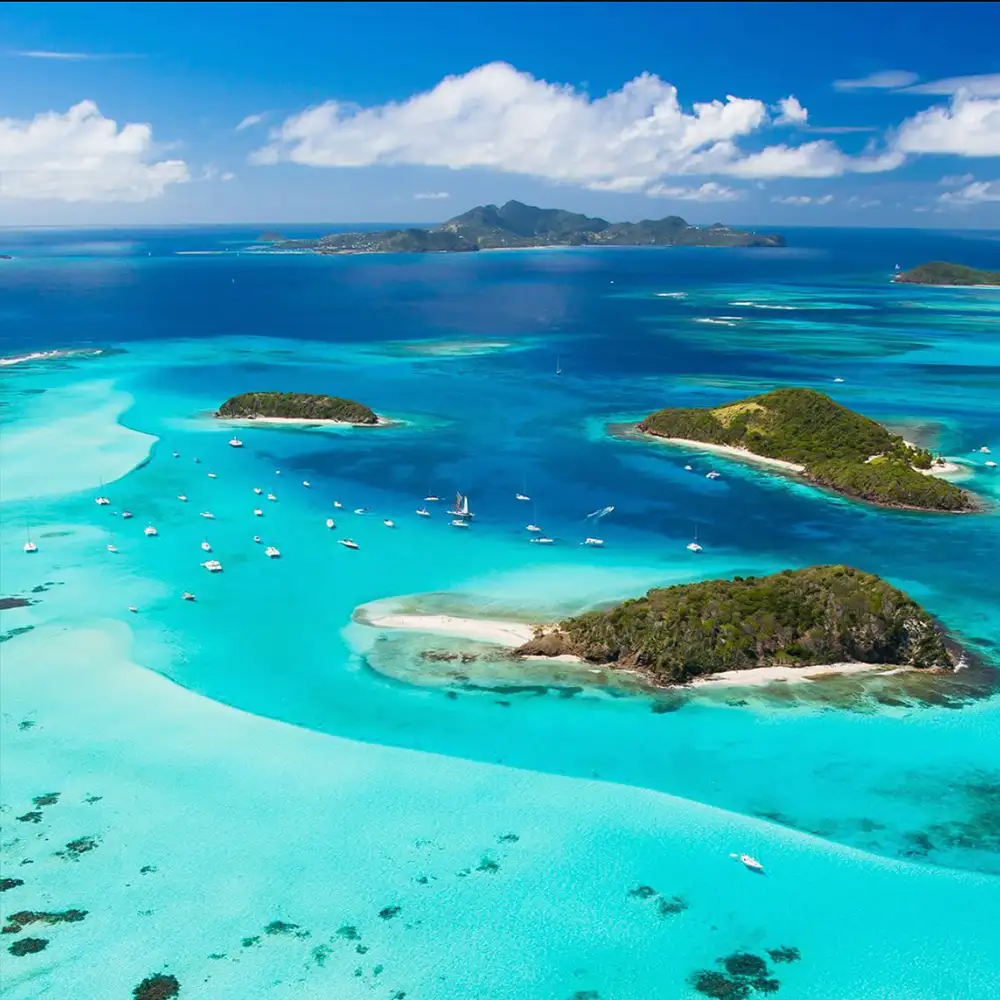
Day 4: Arrive in Grenada
We reach Grenada and turn our attention fully to the regatta. There is time to settle in, look at the race programme, practise the key manoeuvres again and make sure everyone is clear on their role before racing starts. By now, people who arrived knowing almost nothing about yacht racing are beginning to understand starts, sail trim, manoeuvres, crew positions and what everyone is trying to achieve. The anticipation builds!
Days 5 to 6: Racing around Grenada and Carriacou
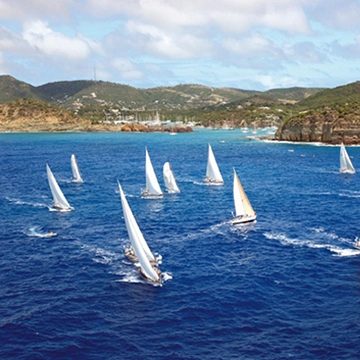
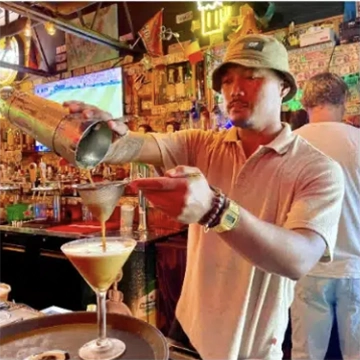
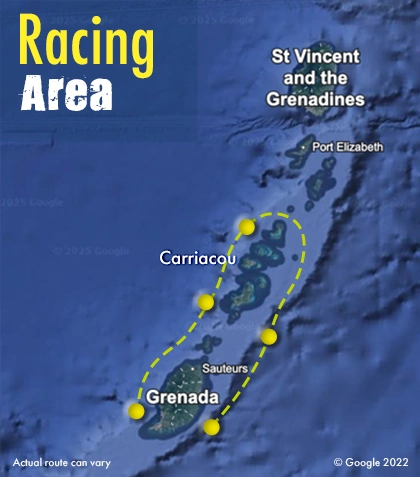
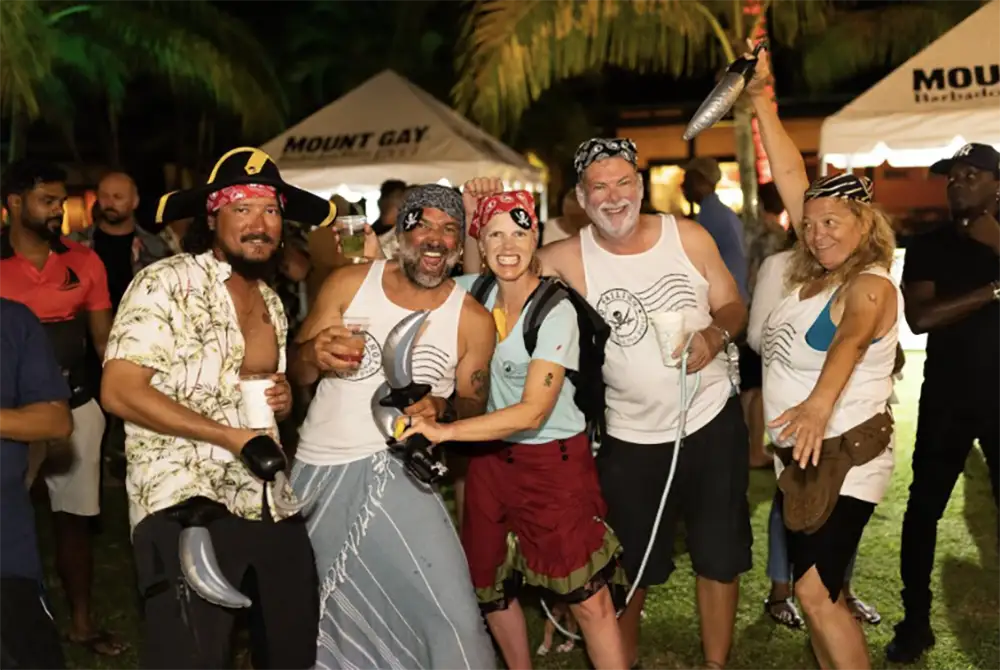
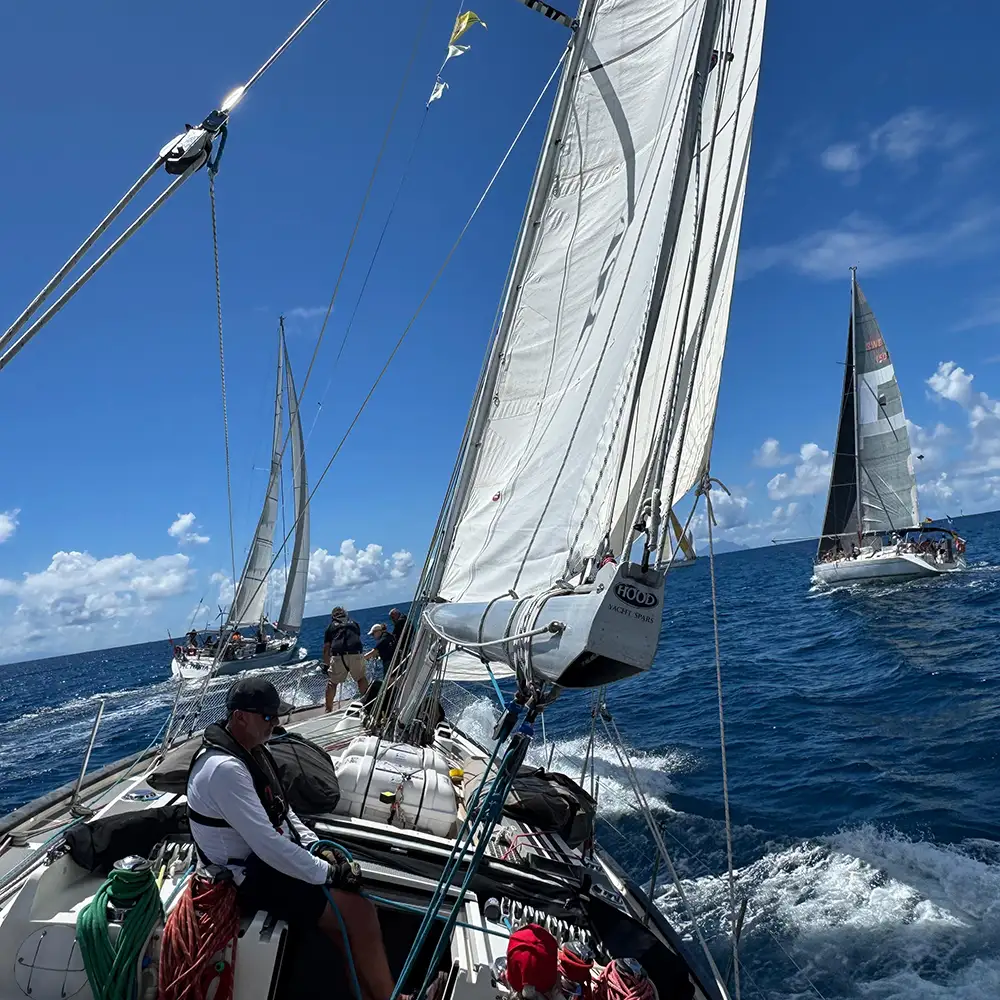
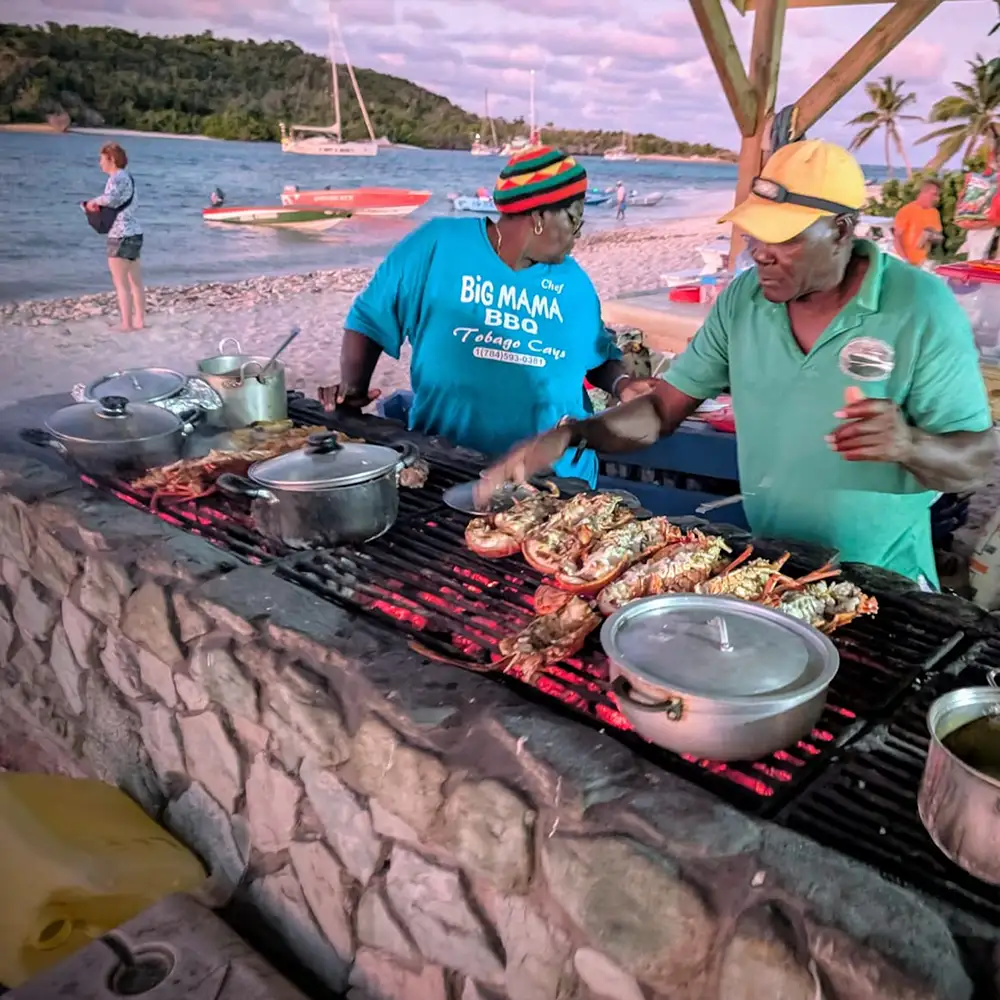
Now the racing begins. Expect close starts, plenty of sail handling and proper day racing in steady Caribbean conditions. The courses take us around Grenada and Carriacou, with tactical sailing, longer legs and plenty for everyone to do onboard. This is where the training suddenly becomes real. You start to see why a good start matters, why a small trim change can make a difference and how quickly a crew has to work together during a manoeuvre. The racing is exciting, absorbing and often much more fun than people expected. Afterwards, the pace changes ashore. Crews gather for BBQs, cold beers and the evening social scene, swapping stories from the day and getting to know the other boats in the fleet.
Day 7: Time ashore
There is a break in the racing programme, which gives us a chance to enjoy Grenada away from the boat. You can explore, swim, find a beach, head into town or simply take the day at a slower pace. It is also a nice moment to realise how far the crew has come. A few days earlier, racing may have felt slightly daunting. Now people are discussing starts, tactics and manoeuvres over lunch.
Day 8: Back to racing
We head back out for another full day on the water. By now the crew knows the boat and their roles much better, so the racing becomes more fluent and more enjoyable. You are no longer just reacting to instructions. You start anticipating what is coming next, understanding the tactics and seeing how the whole race fits together. This is often the point where people realise they genuinely love it.
Day 9: Final race and finish
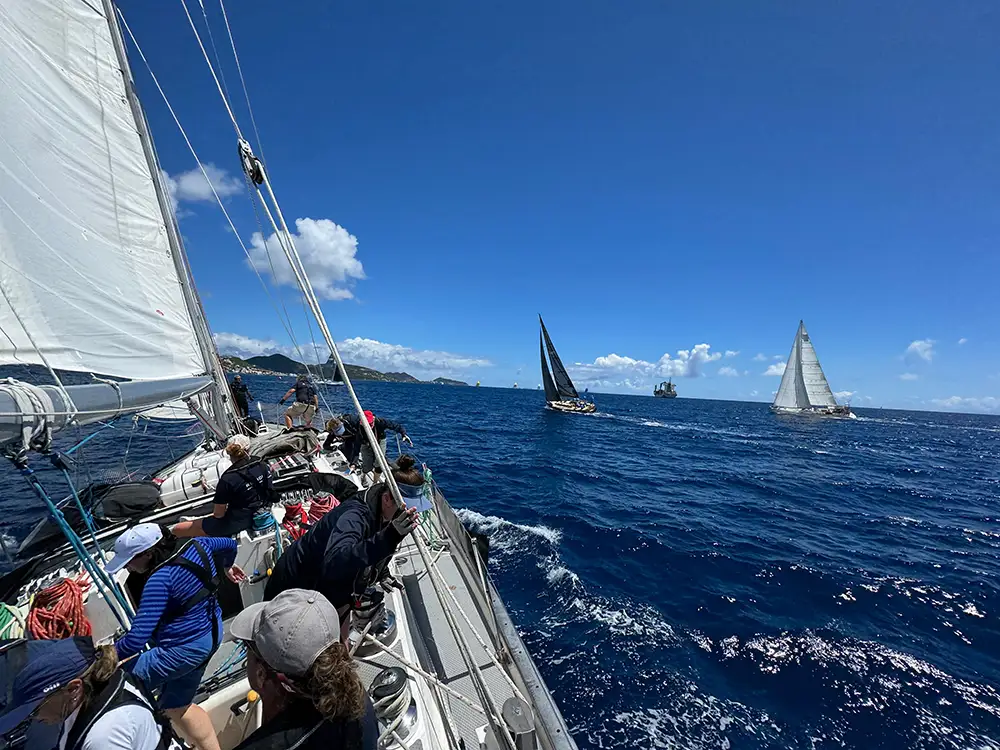
We finish with the last day of racing before returning to Grenada. By the end of the trip, you will have gone from possibly knowing almost nothing about yacht racing to having a solid understanding of how it works, how the crew fits together and what makes it so exciting. More importantly, you will have actually done it. For many people, the biggest surprise is not that racing turns out to be manageable. It is that they leave wanting to do it again as soon as possible!









 Trip Type:
 Instructors:
 Crew Size:
 Ages:
Ages:
 Region: