What To Expect
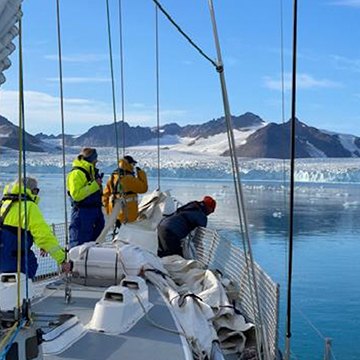
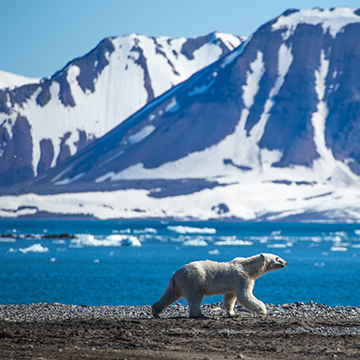
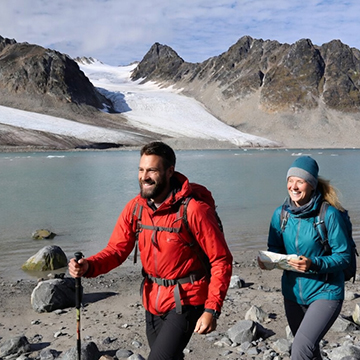
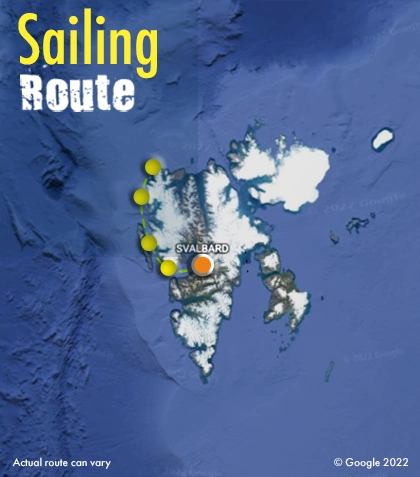
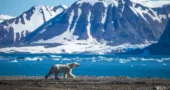
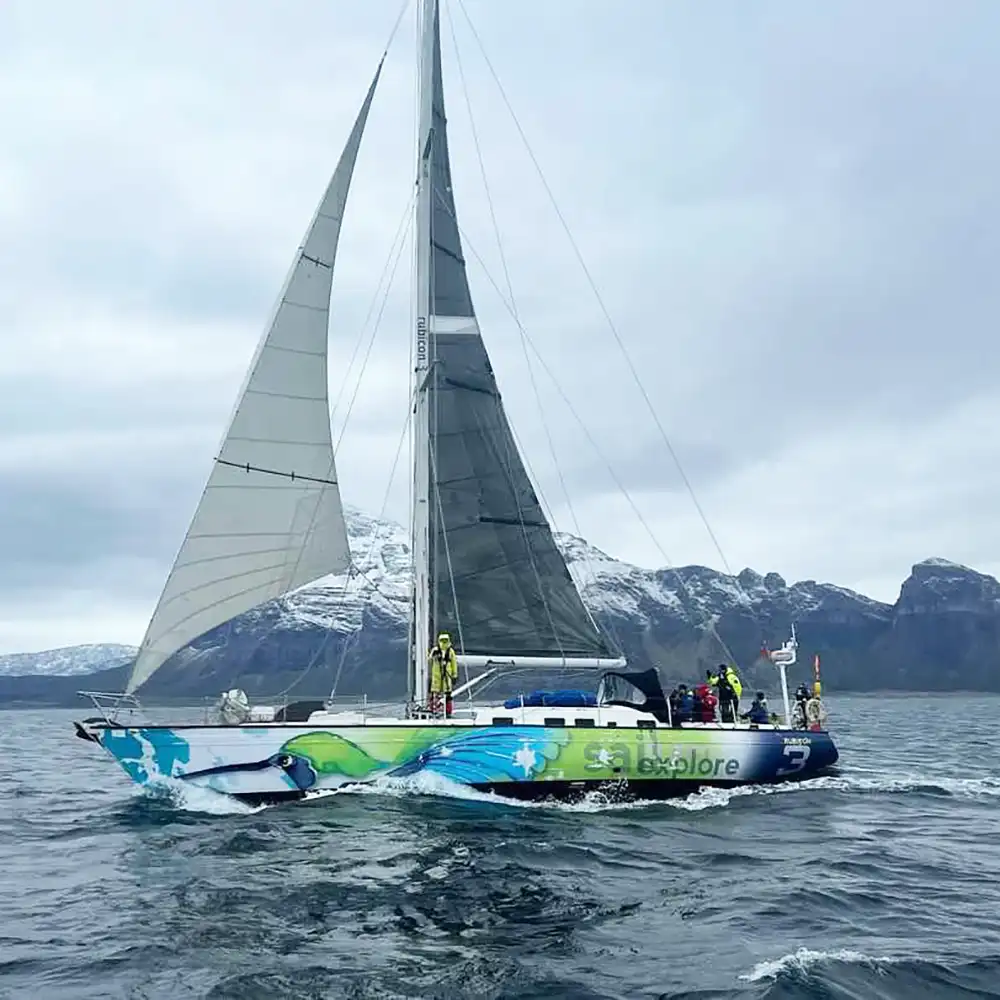
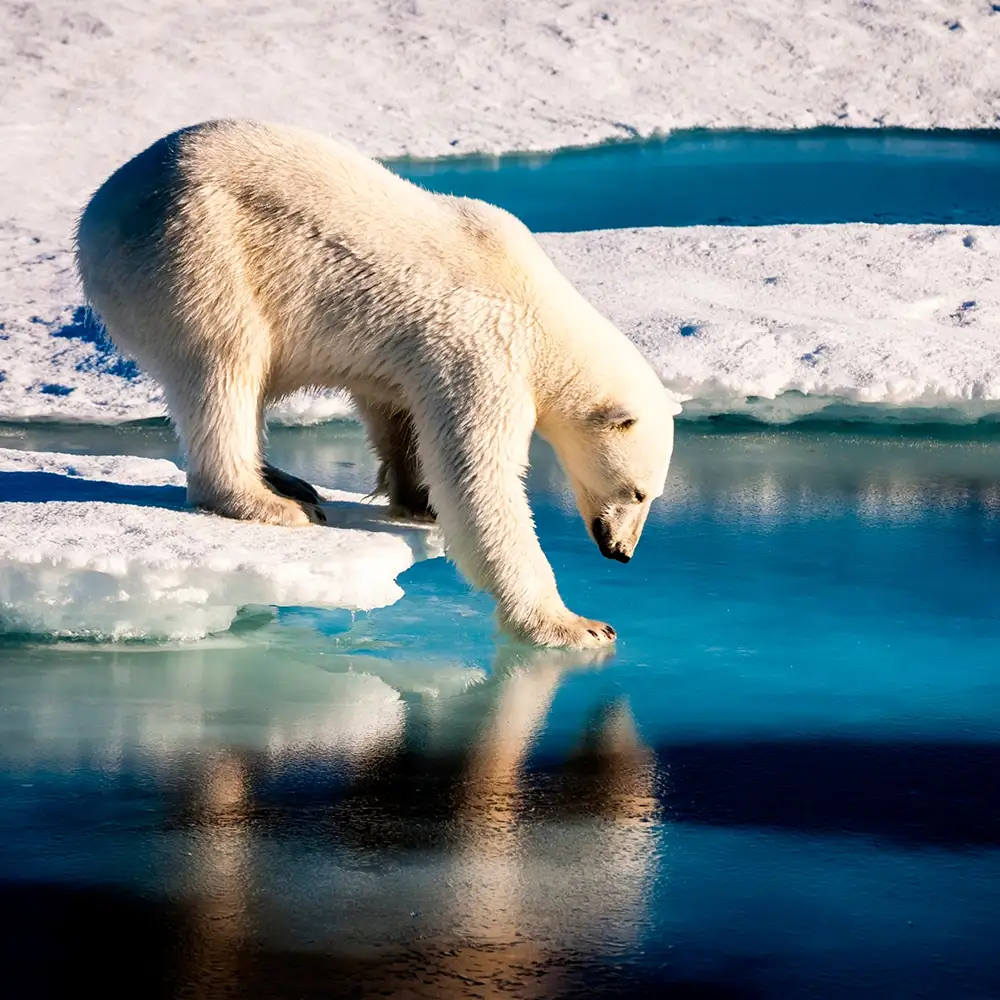
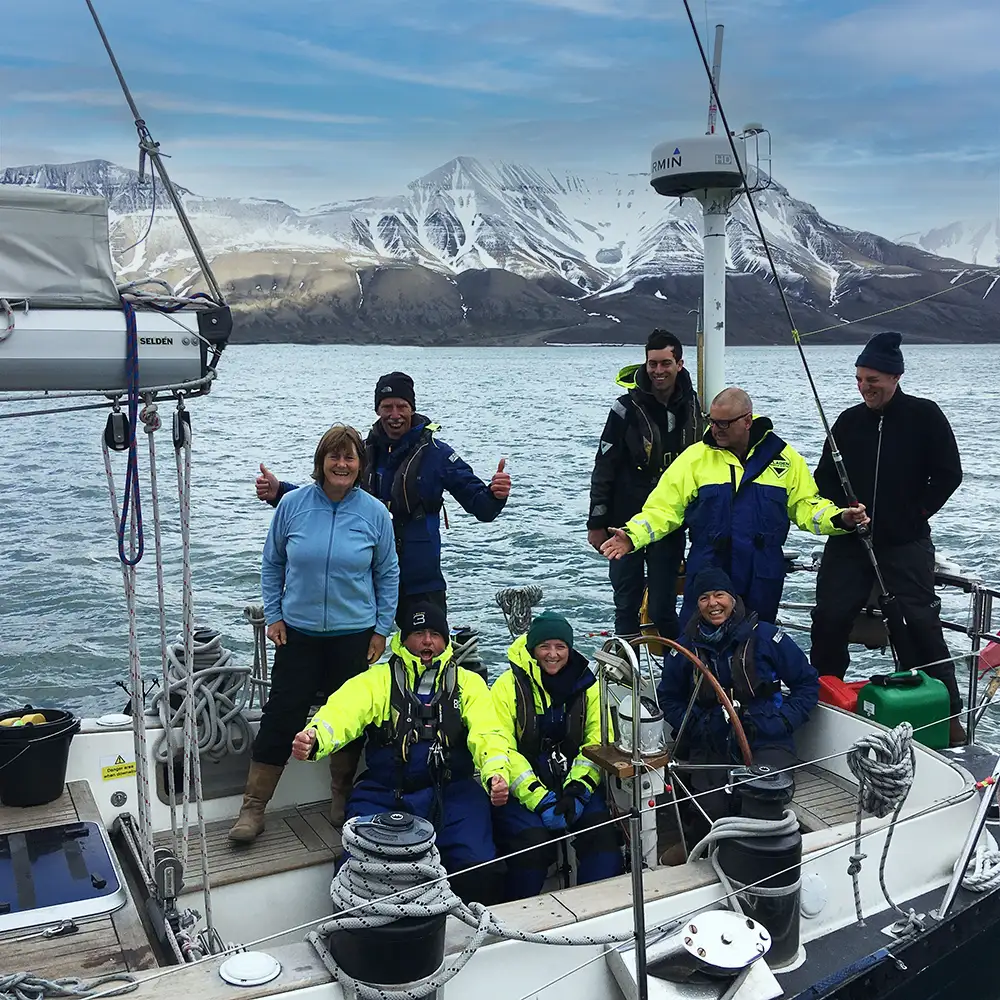
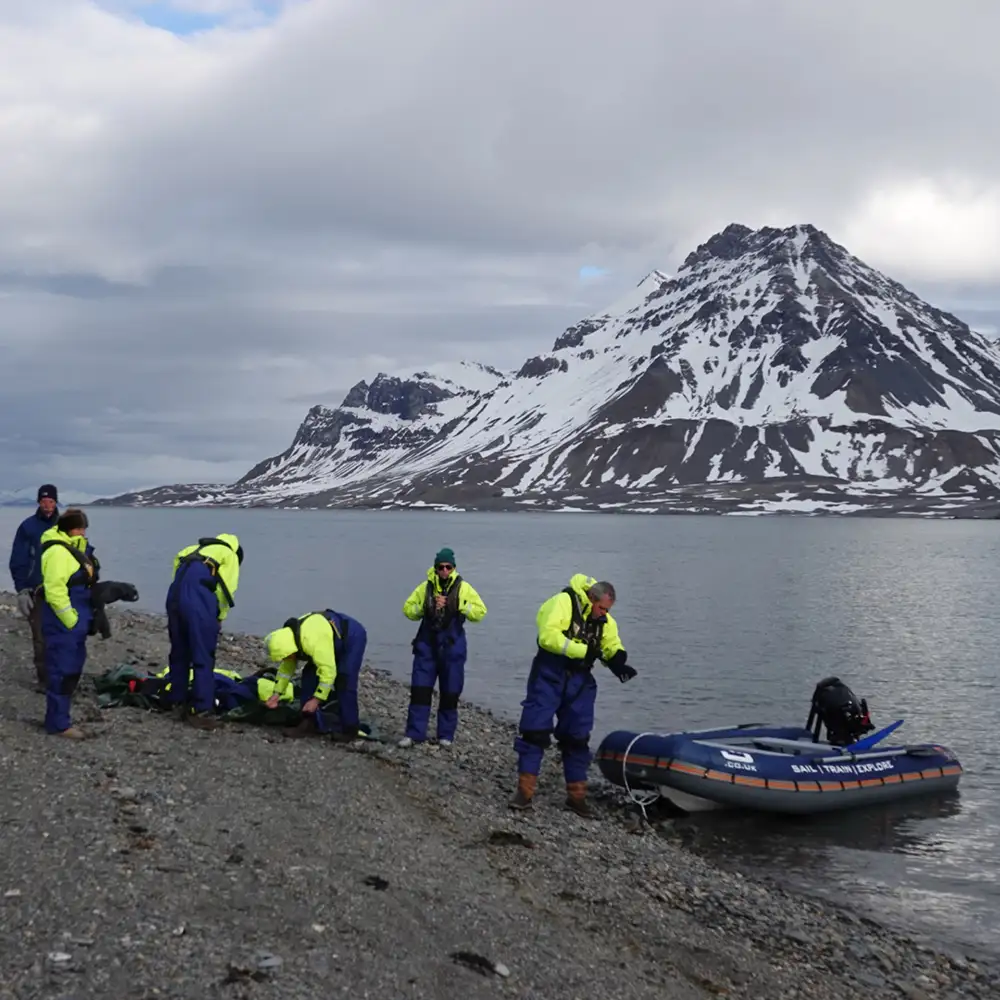
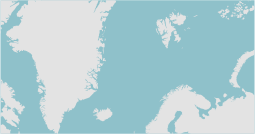
Join us in Svalbard for this Arctic coastal adventure quite unlike any other. There is no fixed itinerary as we go with the wind and weather we find at the time. We adapt each day, working as a team to make the most of the conditions. Some days are active. Sailing, navigating, and keeping lookout for ice and rocks. Others are quieter. Drifting near ice. Watching. Heading ashore on the RIB. Everywhere there is the potential for sights and experiences that will stay with you for a lifetime: a glacier calving; a whale surfacing nearby; a polar bear moving across the ice. All the time you share meals, stories, and long conversations with people you didn’t know a week earlier. That uncertainty is part of what makes this trip what it is. You are not being taken around Svalbard. You are very much part of the process of exploring it.
The Places We May Reach
These are not guaranteed stops on a checklist but some of the exceptional highlights we have reached on previous trips. We would expect to get to a good number of them if not all.
Longyearbyen
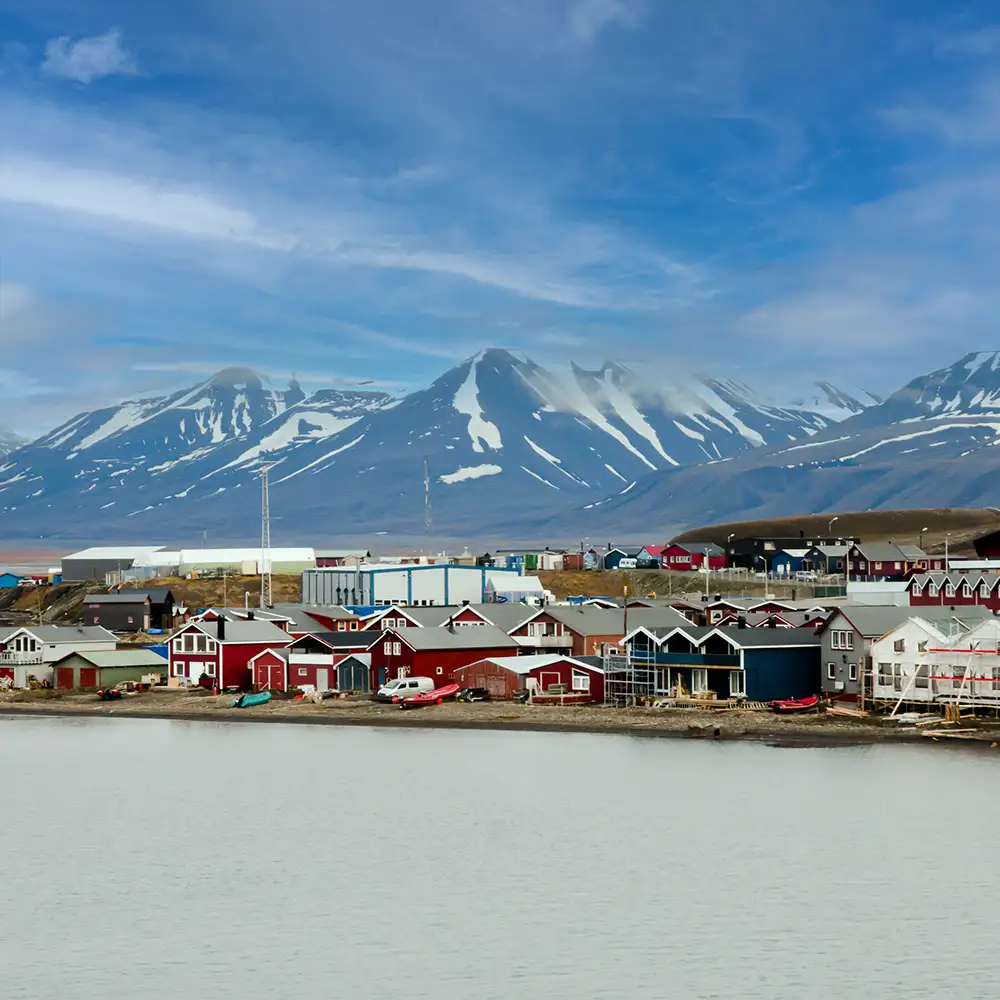
This small but vibrant community is the gateway to the Arctic’s remote wilderness. Nestled amidst the glaciated mountains, this town is an authentic blend of Norwegian and polar cultures. Visit the Svalbard Museum to learn more about the history of Spitsbergen, its mining industry, and polar exploration over the years.
Trygghamna
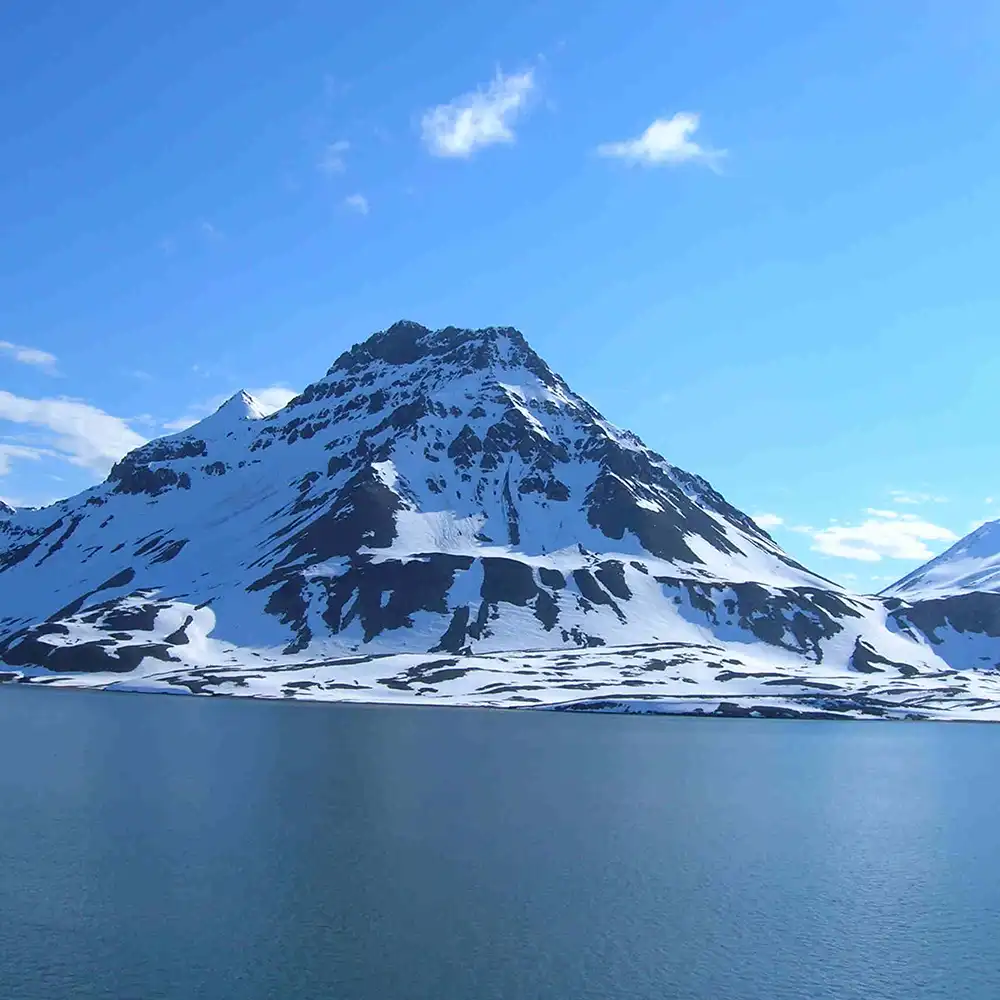
Translating to “Safe Harbor” in English, Trygghamna is a stunning bay that historically served as a crucial anchorage for whalers and explorers due to its sheltered waters, which provided refuge from the harsh Arctic conditions. The bay is home to thousands of seabirds, including guillemots and kittiwakes, surrounded by towering cliffs and glaciers. The area around Trygghamna is also rich in Arctic flora, and you may see Svalbard reindeer and Arctic foxes. The historical remnants of blubber ovens also bear witness to its past, mixing the bay’s natural beauty with a touch of human history.
Ytre Norskøya
Ytre Norskøya is a small island that was a Dutch whaling lookout for many years. 17th-century ovens for cooking whale blubber and the graves of some two hundred Dutch whalers offer a glimpse into the past, along with the iron cross atop the 151m high mountain Utkiken. Fuglefjorden has beautiful views of Svitjodbreen and Birgerbukta, and you may well see great skuas, arctic skuas, and even a polar bear. Here, you see remains from the great era of polar bear hunting.
Raudfjorden and Ermaktangen
Raudfjord, on the north coast of Spitsbergen, is an awe-inspiring fjord known for its spectacular glaciers and rich wildlife. The fjord’s name, ‘Red Fjord,’ is derived from the reddish-brown sediments that color its eastern side, creating a striking contrast against the white glaciers. It is a haven for wildlife, offering chances to see ringed and bearded seals, maybe a beluga whale, and polar bears. The area has much historical significance, with Christiane Ritter’s having over-wintered in a hut near Gråhuken. Ermaktangen, on the fjord coast of Spitsbergen, is another highlight if we make it there.
Reindyrsflya
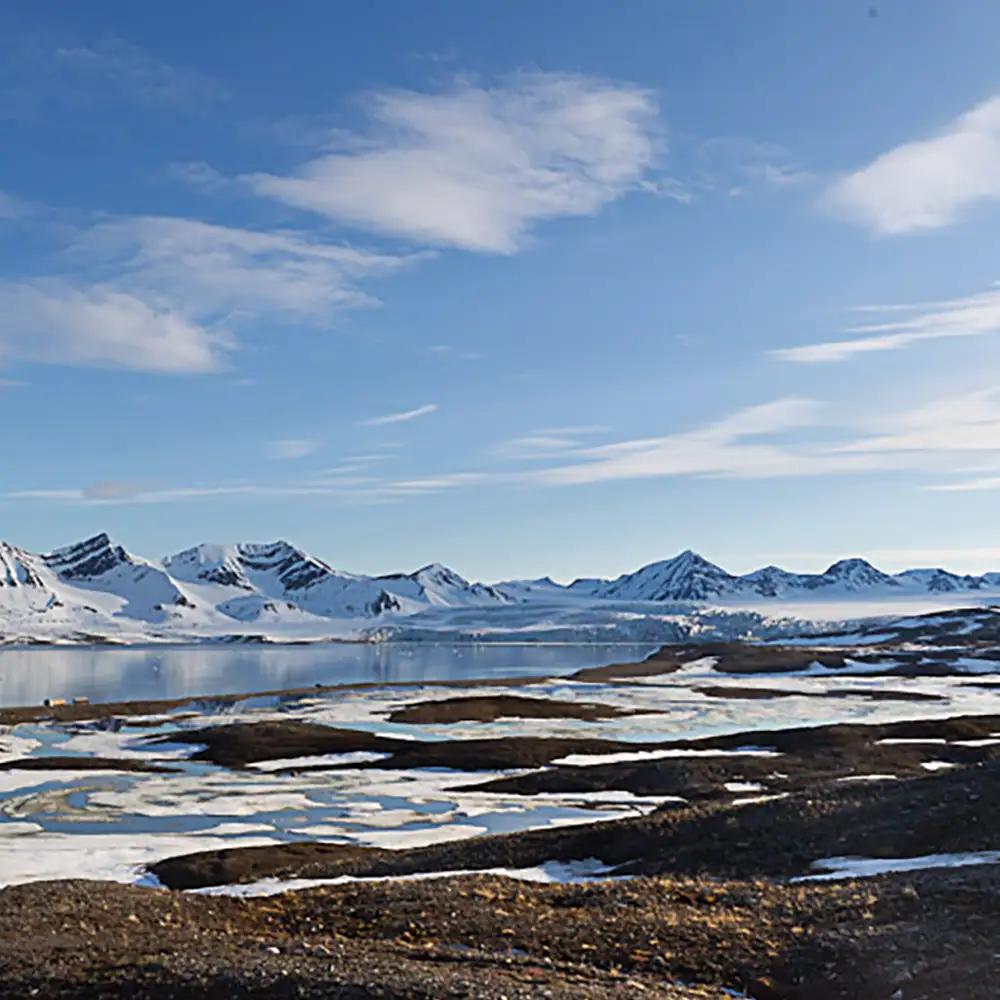
Reindyrfla is the largest tundra area in Spitsbergen and is a starkly beautiful rolling plain of Arctic wilderness. Accessible only when ice conditions permit, it is a lovely place to see the Arctic’s flora and fauna up close. The vast tundra, dotted with wildflowers during the brief summer, also provides a habitat for a wide variety of bird species and is often frequented by Svalbard reindeer, who roam freely up to the edges of the sea ice. The lakes afford you the chance to spot red-throated divers and king-eiders.
Monaco Glacier
The Monaco Glacier, named after Prince Albert I of Monaco, a pioneering oceanographer who explored the Arctic extensively, is one of Svalbard’s most breathtaking natural wonders if the sea ice permits. Located in Liefdefjorden (the “Love Fjord”) on the northwest coast of Spitsbergen, this imposing glacier is renowned for its beauty. Stretching miles across the fjord, the glacier’s towering ice front is mesmerizing, with vibrant blue hues and massive ice formations.
As one of the most active glaciers in Svalbard, Monaco Glacier is a significant source of ice calving, where giant chunks of ice break off and crash into the sea. The area around Monaco Glacier is also rich in wildlife, offering chances to spot polar bears, which are often seen on the ice floes hunting for seals, as well as a variety of seabirds that thrive in the nutrient-rich waters stirred up by the glacier’s activity.
Magdalenafjorden
Magdalenefjord is one of the glacier-filled highlights of Spitsbergen, flanked by rugged mountains. This historical bay, once a prominent whaling area, has an astonishingly white sandy beach at Gravneset. The brave may dare to swim here in its icy waters, surrounded by floating icebergs. Fuglesangen is a great place to observe spirited communities of little auks on a shore visit.
Kongsfjorden and Krossfjorden
Here, we can visit Ny London, with its remains of early 20th-century marble mining, and Ny Ãlesund, the northernmost community in the world. There are also international research stations and the famous anchor mast of the dirigible Norge, which took the first flight across the North Pole to Nome, Alaska, in 1926. Krossfjorden has views of colossal glaciers and lofty mountain peaks. Remember, the extent of the fjord ice dictates how much we can see in these types of places. There are large seabird colonies here, a haul-out spot for harbor seals, and the occasional polar bear.
Bohemanfiya and Gipsvika
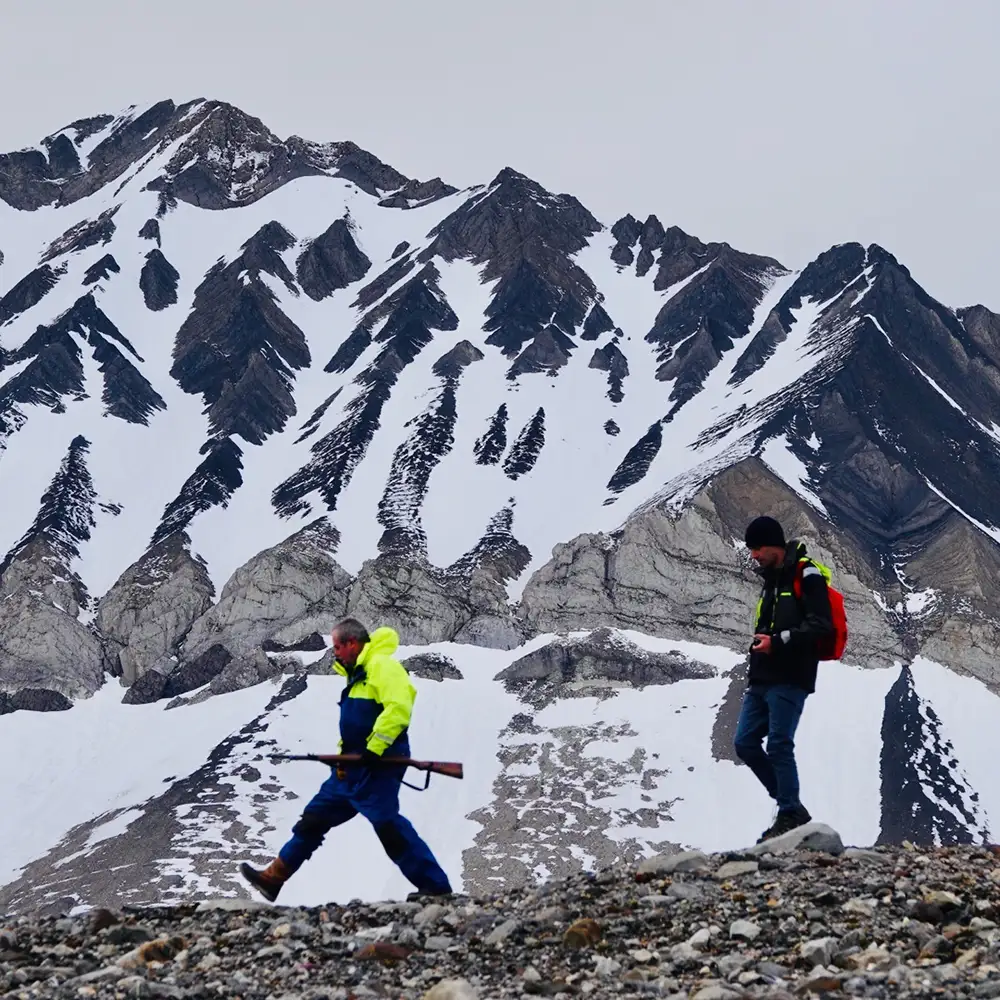
Bohemanflya has an expansive tundra with its avifauna (depending on when spring arrives) and spectacular geological formations along the coast. In Gipsvika, you can go on shore near Templet, a mountainous location of eroded sedimentary rock from the Upper Carboniferous period, around 290 million years ago.
Barentsburg
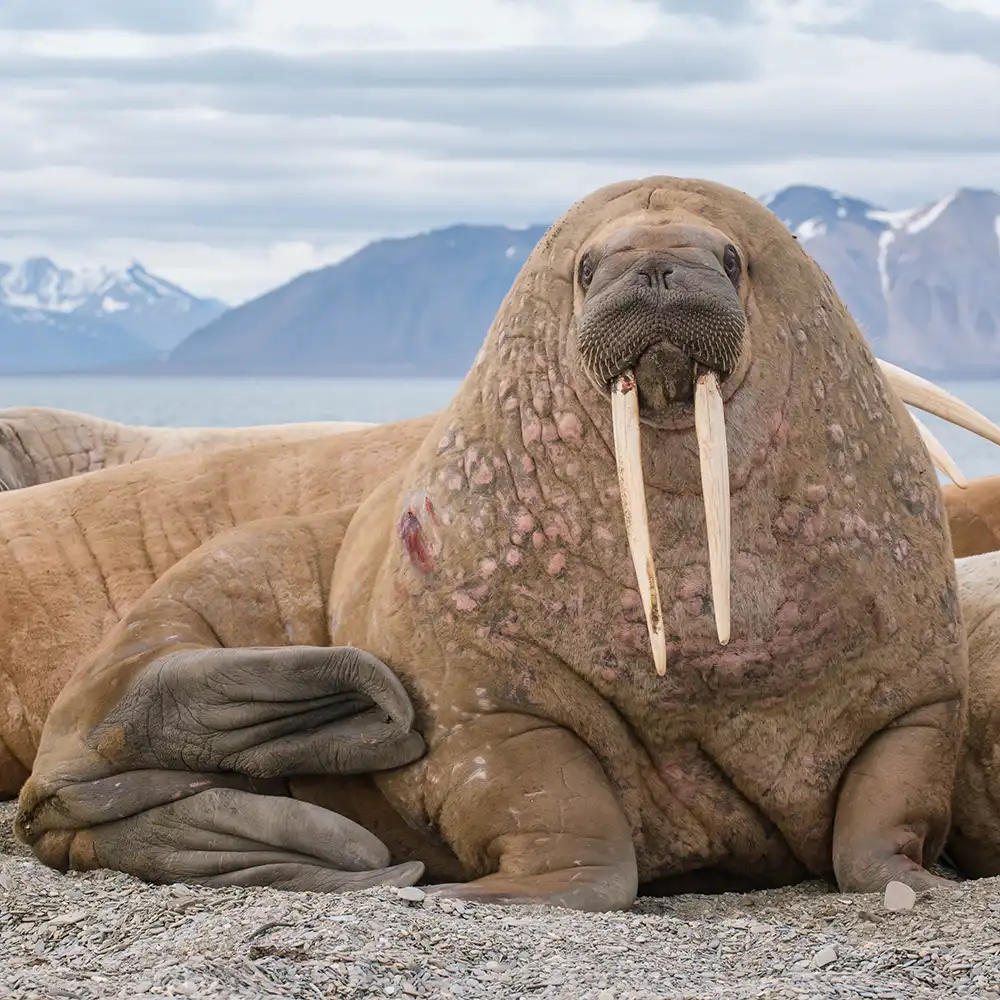
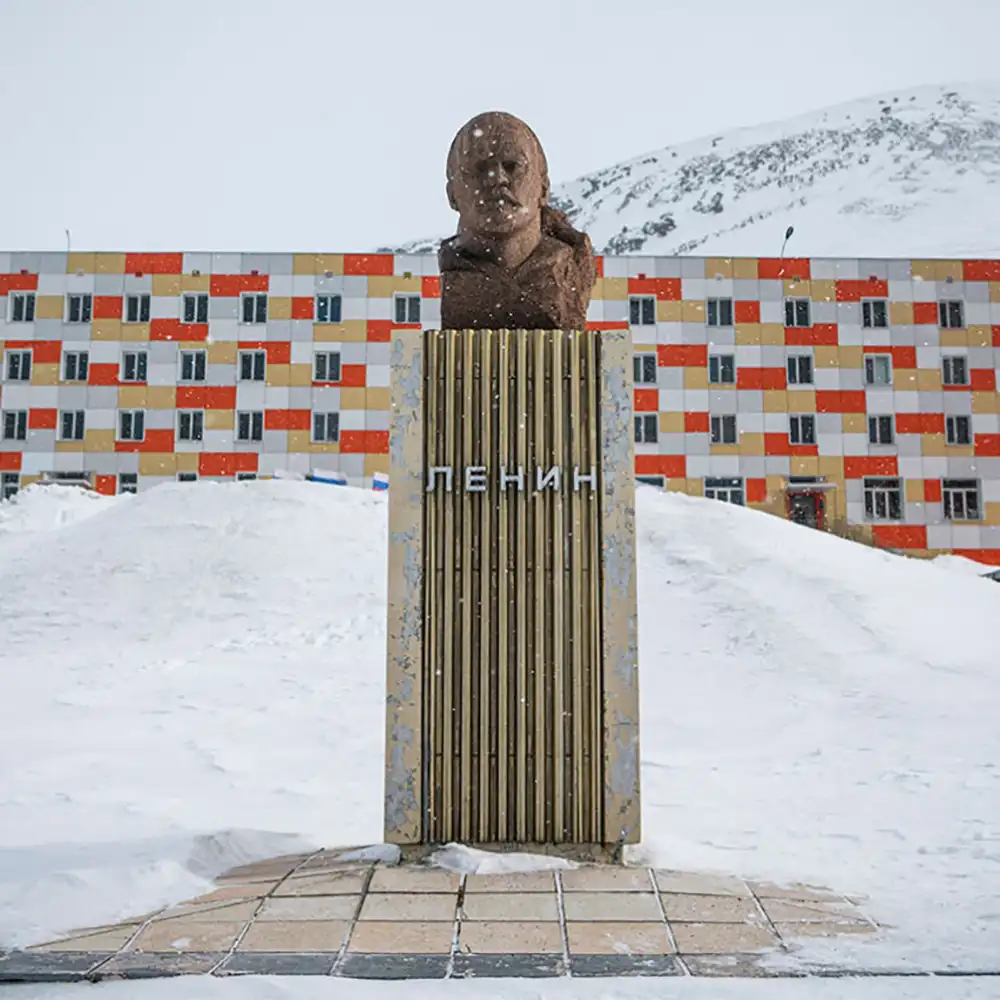
Barentsburg, a semi-abandoned Russian mining town on the southeastern tip of Isfjorden, feels like stepping into a different era. Its Soviet-era murals and statues of Lenin stand as relics of a bygone time, while its mining history, dating back to 1912, tells a story of Arctic industrialization and geopolitical competition. The tale of Knut Emil Glad and his wife, Anna Josefine, who wintered in what would become Barentsburg, adds a human element to the stark landscape.









 Trip Type:
 Instructors:
 Crew Size:
 Ages:
Ages:
 Region: