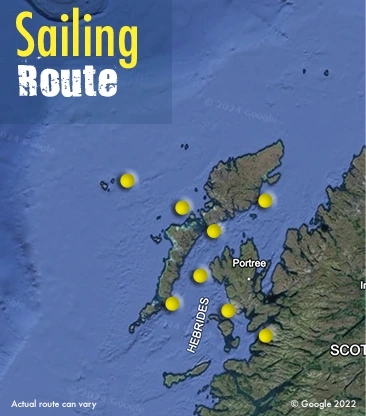
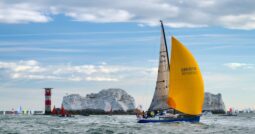
There is no fixed itinerary on this sailing adventure, and that is very much part of the appeal.
The exact route, islands we visit and time we spend in each place will depend on the weather, sea conditions and what the crew wants to experience. Each day, we will look at the forecast, consider our options and decide together where to sail next. You will be fully involved in shaping the adventure.
We will make every effort to reach St Kilda, but this is one of the wildest and most exposed destinations in the British Isles. Its position far out in the Atlantic is precisely what makes it so extraordinary and so elusive. We simply cannot guarantee that we will get there. If conditions do come together, however, reaching St Kilda will be a genuinely magical achievement.
Along the way, there is an extraordinary choice of places to explore. Depending on conditions and our route, highlights may include:
The Isle of Mull
Perhaps the most iconic image of Mull is Tobermory, its colourful waterfront buildings lining the harbour on the island’s north coast. It is a charming place to wander, explore and soak up the atmosphere, with the Tobermory Distillery producing one of Scotland’s famous single malt whiskies.
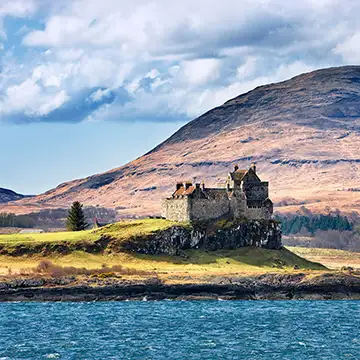
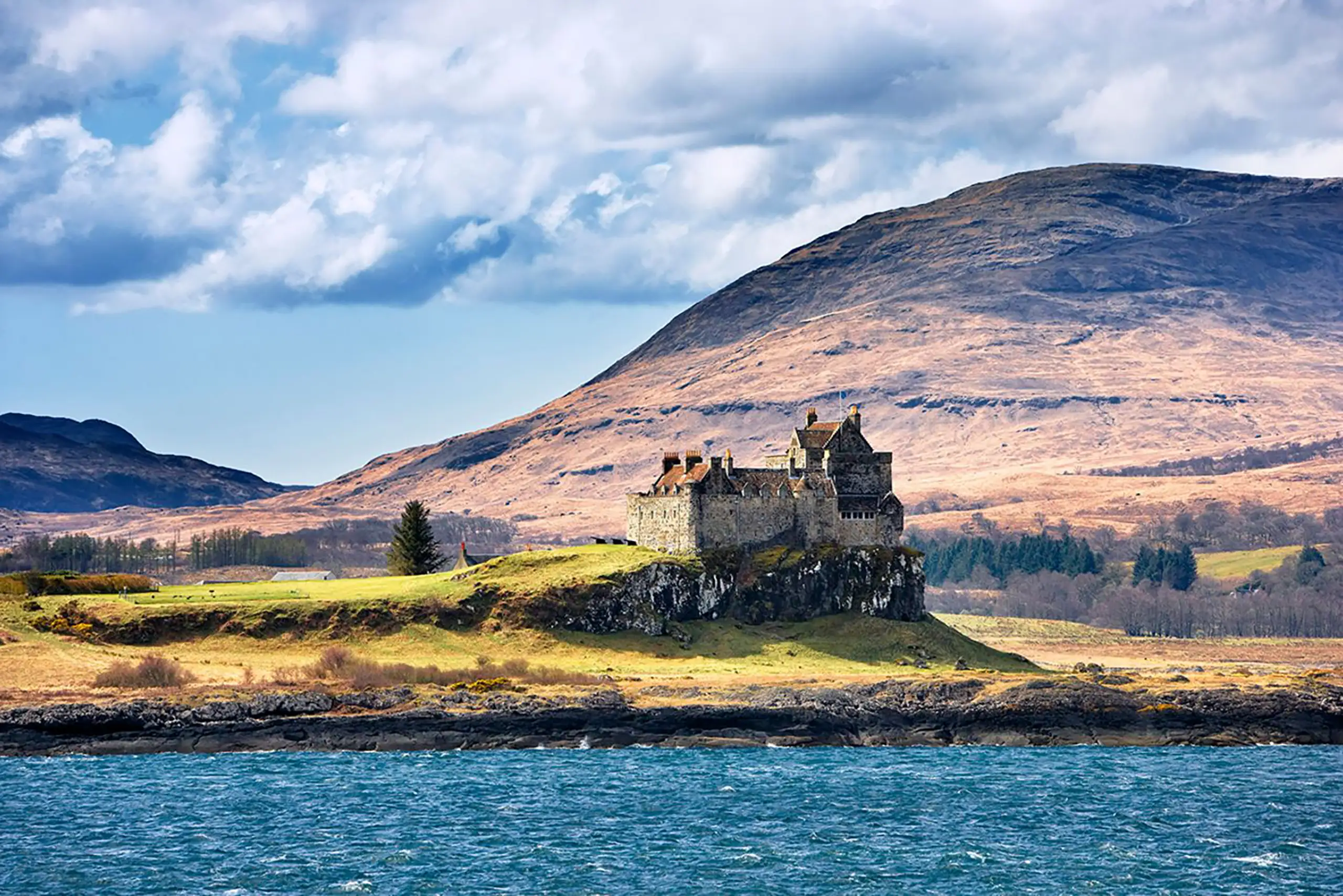
Perched dramatically on a clifftop, Duart Castle dates back to the 13th century and offers magnificent views across the surrounding sea. If conditions and time allow, a visit to Staffa and Fingal’s Cave would be another spectacular highlight. Its extraordinary basalt columns and natural acoustics have inspired artists and composers for centuries, including Mendelssohn. The surrounding waters are also rich in wildlife, with opportunities to spot whales, dolphins, eagles and otters.
The Isles of Coll & Tiree
The islands of Coll and Tiree offer a very different side of the Hebrides, with wide open landscapes, huge beaches and an extraordinary sense of space.
On Coll, the historic remains of Breacachadh Castle are a reminder of the island’s past, while An Cridhe provides a glimpse into its close knit modern community. Beaches such as Crossapol and Feall are perfect for exploring on foot, and Coll’s status as a Dark Sky Island makes it an exceptional place to experience a truly spectacular night sky.
Nearby Tiree is known for its vast beaches and dunes, including beautiful Balephuil Bay. With its sunshine, white sands and turquoise waters, it has earned the nickname the Hawaii of the North.
South Uist & Barra
The southern Outer Hebrides combine huge beaches, mountains, wildlife and a rich Gaelic heritage.
The west coast of South Uist is lined with extraordinary stretches of white sand, perfect for long walks and spectacular sunsets. Inland, the Loch Druidibeg Nature Reserve offers excellent opportunities for wildlife watching.
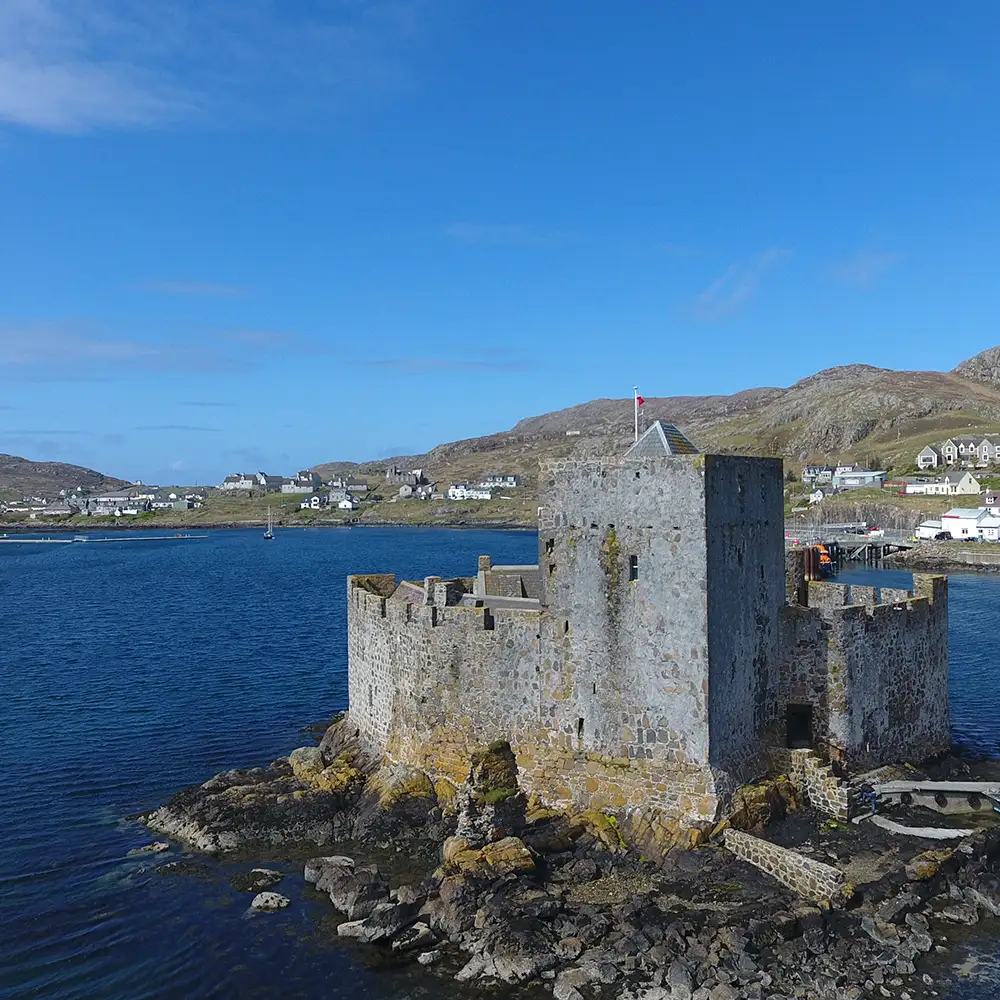
Further south, Barra is a wonderfully varied island of mountains, beaches and sea lochs. Its famous beach runway is one of the world’s great aviation curiosities, with scheduled aircraft landing directly on the sands. In Castlebay, the medieval Kisimul Castle sits dramatically on a rocky islet in the bay, reached by a short boat trip.
Harris & Lewis
Harris and Lewis form the largest island in the Outer Hebrides and are home to some of the most spectacular landscapes in Scotland.
On Harris, Luskentyre Beach is simply extraordinary, with vast white sands and turquoise water backed by rugged mountains. Harris is also synonymous with Harris Tweed, and meeting a local weaver offers a fascinating insight into a tradition that remains deeply woven into island life.
On Lewis, the ancient Callanish Standing Stones rise from the landscape in one of Scotland’s most atmospheric prehistoric sites. Predating Stonehenge, the stones have stood here for thousands of years and remain shrouded in mystery.
The Small Isles (Rum, Eigg, Muck, or Canna)
The Small Isles are a compact cluster of wild and beautiful islands, each with its own character.
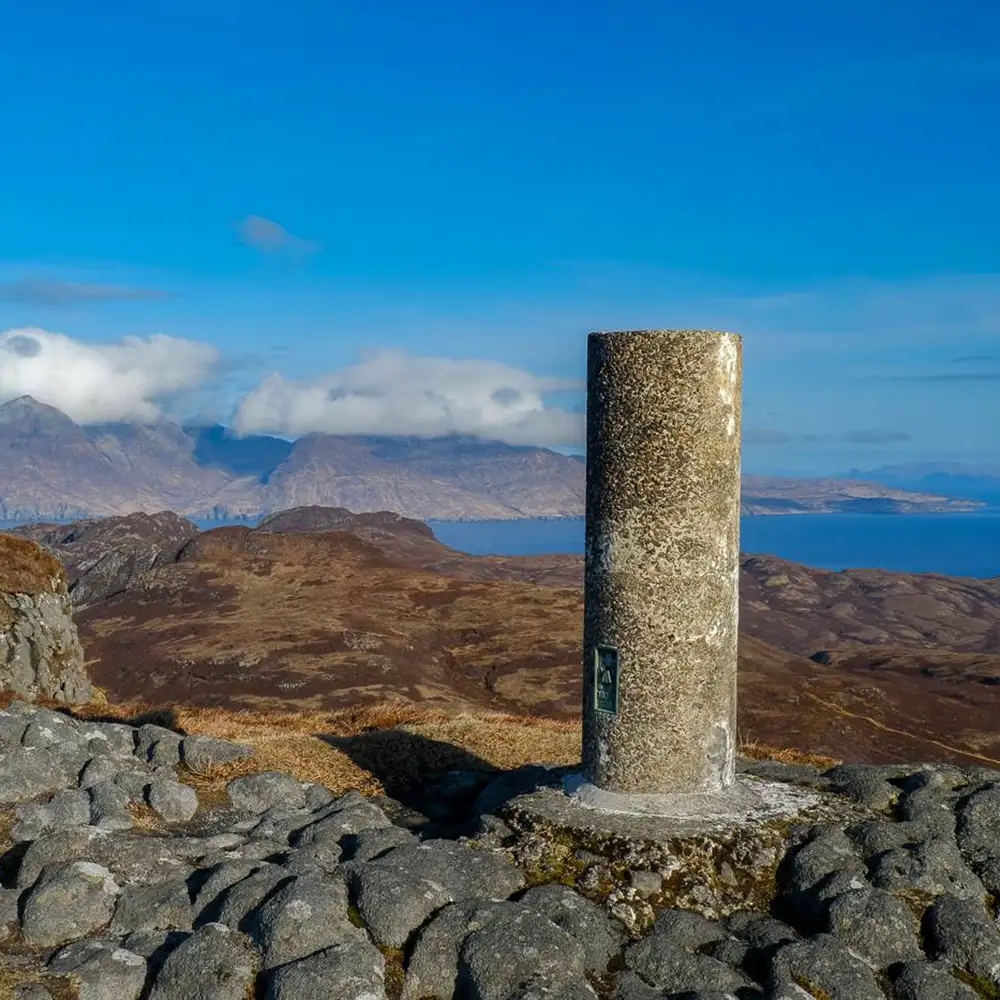
On Rum, the extraordinary Kinloch Castle is a remarkable relic of Victorian extravagance, while the island itself is a haven for wildlife, including the famous Rum ponies.
Eigg is dominated by the dramatic pitchstone ridge of An Sgurr, an iconic landmark and a superb objective for a walk ashore. Muck, the smallest of the four main islands, is wonderfully peaceful, while Canna is particularly rich in archaeological remains, with ancient Celtic crosses and early Christian and Norse monuments scattered across the island.
St Kilda
And then there is St Kilda.
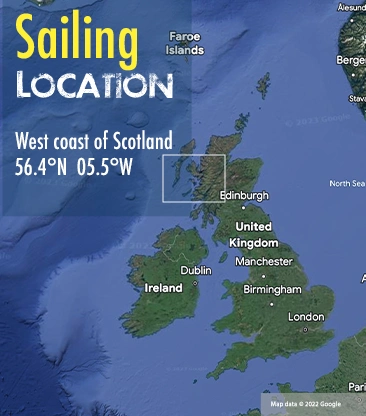
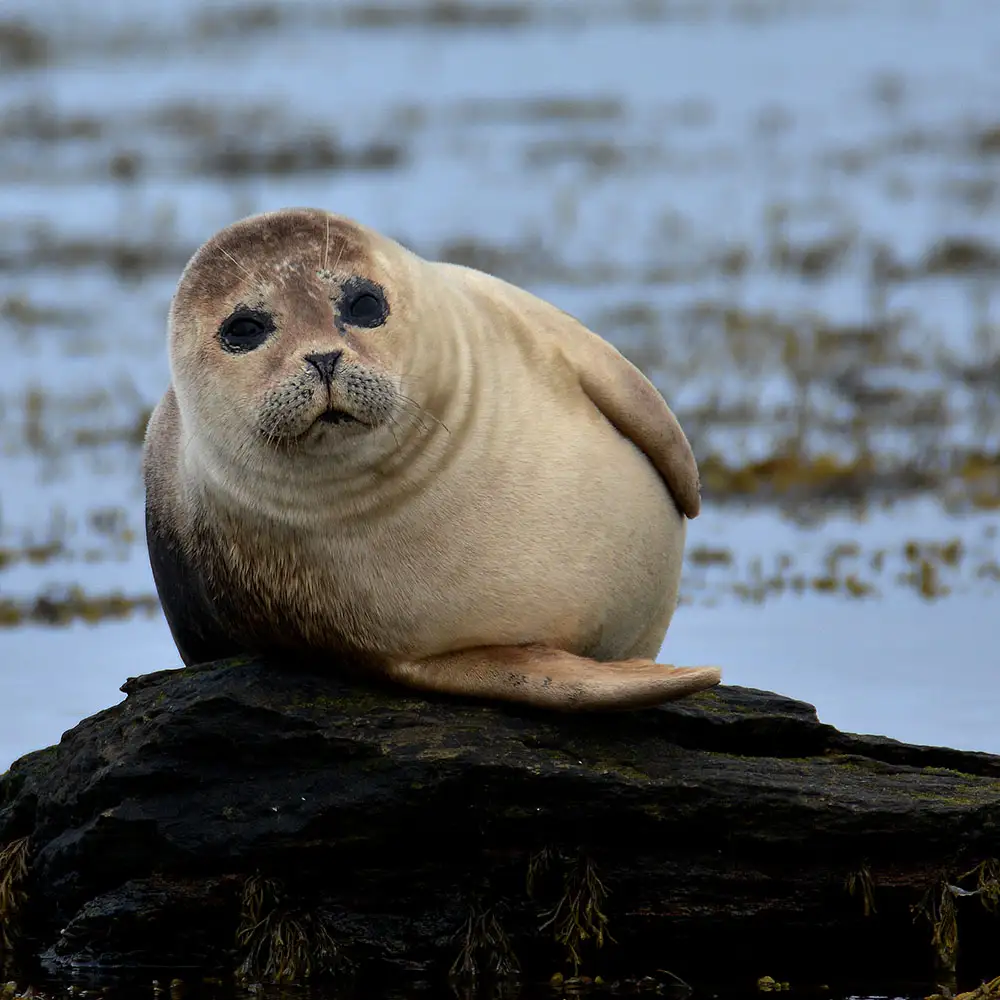
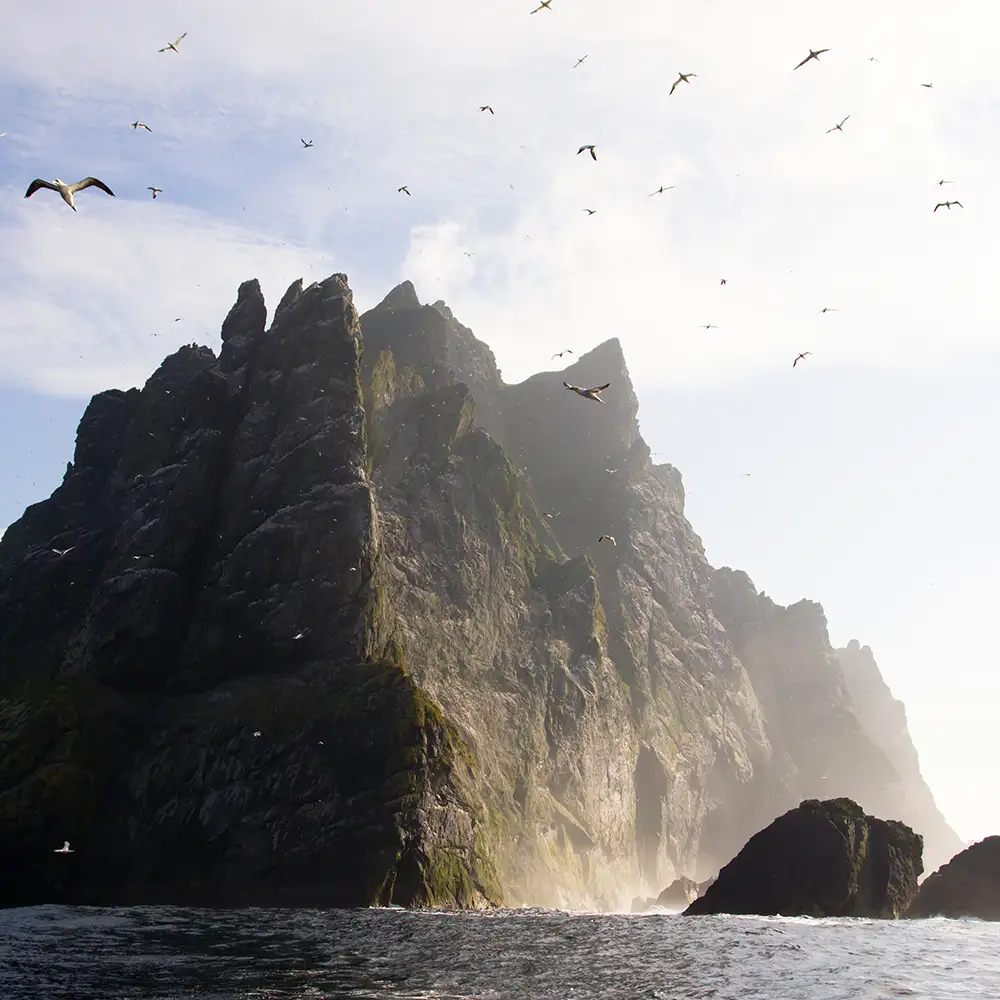
Lying around 50 miles west of the Outer Hebrides in the open North Atlantic, this extraordinary archipelago feels like another world. A UNESCO World Heritage Site and National Nature Reserve, St Kilda combines some of Britain’s most dramatic scenery with the remains of a remarkable human settlement.
On Hirta, the abandoned village and its tiny church offer a haunting glimpse into a community that lived in extraordinary isolation for centuries. Scattered across the hills are hundreds of cleits, small stone storage huts that tell the story of how the islanders adapted to one of the harshest environments in Britain.
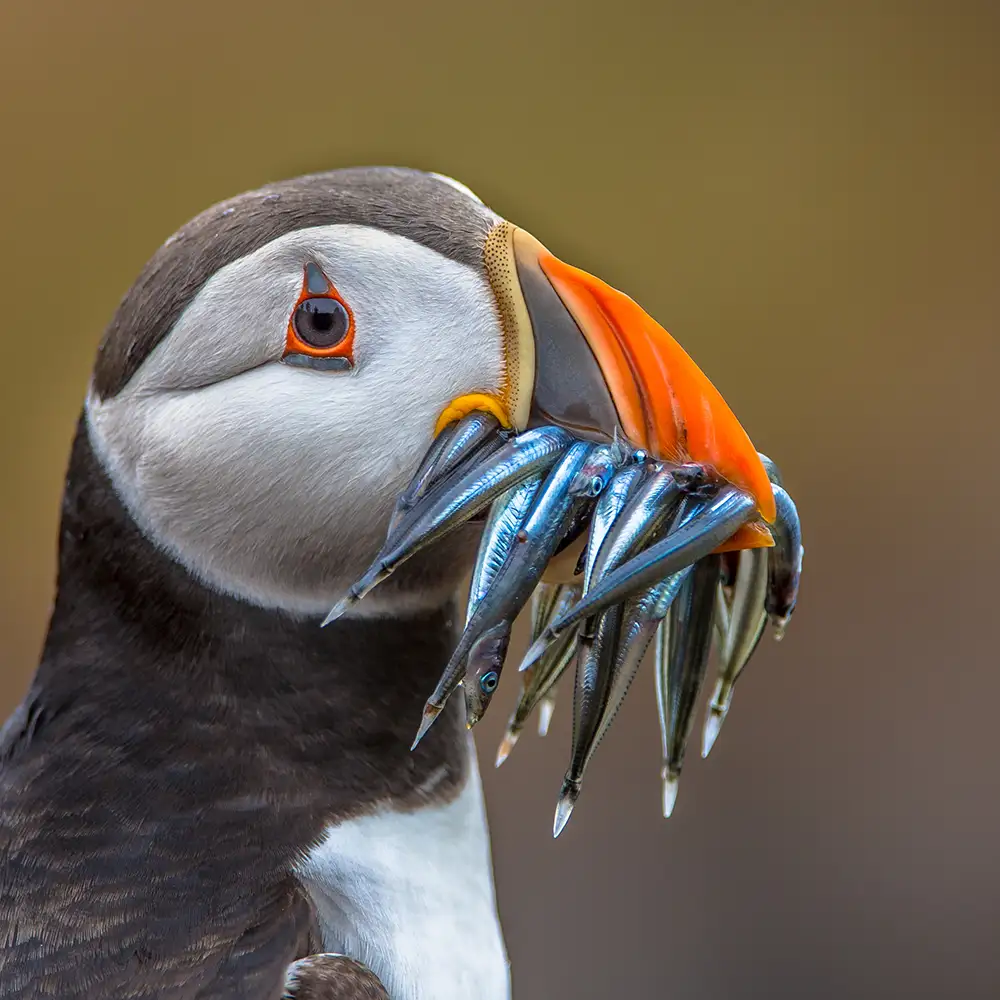
The cliffs are among the highest in Europe and support vast colonies of seabirds, including enormous numbers of puffins and gannets. Below them, the Atlantic plunges into deep, wildlife rich waters. Soay sheep still roam the landscape, descendants of one of the world’s oldest breeds.
Getting there is never guaranteed. The Atlantic crossing is exposed, conditions can change quickly and St Kilda demands respect. But that is exactly what makes an arrival so special. If we make it, it will not simply be another stop on the itinerary. It will be an achievement shared by the whole crew and one you are unlikely ever to forget.
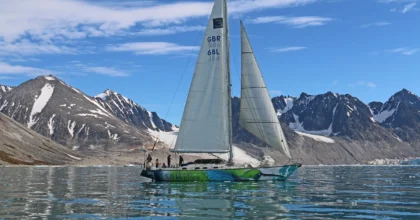
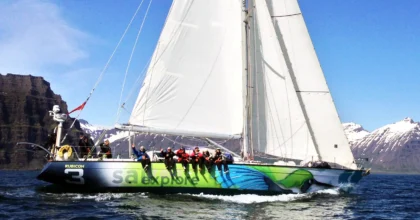
This is a genuine, off the beaten track sailing adventure and it is essential that you understand this. It is exhilarating, superb fun and you’ll be fully involved and learn a huge amount.



 Trip Type:
 Instructors:
 Crew Size:
 Ages:
Ages:
 Region: