None of what follows is fixed. It is a sample of what the trip can hold, not a timetable. Each day the skipper and crew look at the wind and the forecast together and decide where to go next; that is how offshore sailing works, and it is half the fun. We might make every stop below, or trade some of them for somewhere better as the weather decides.
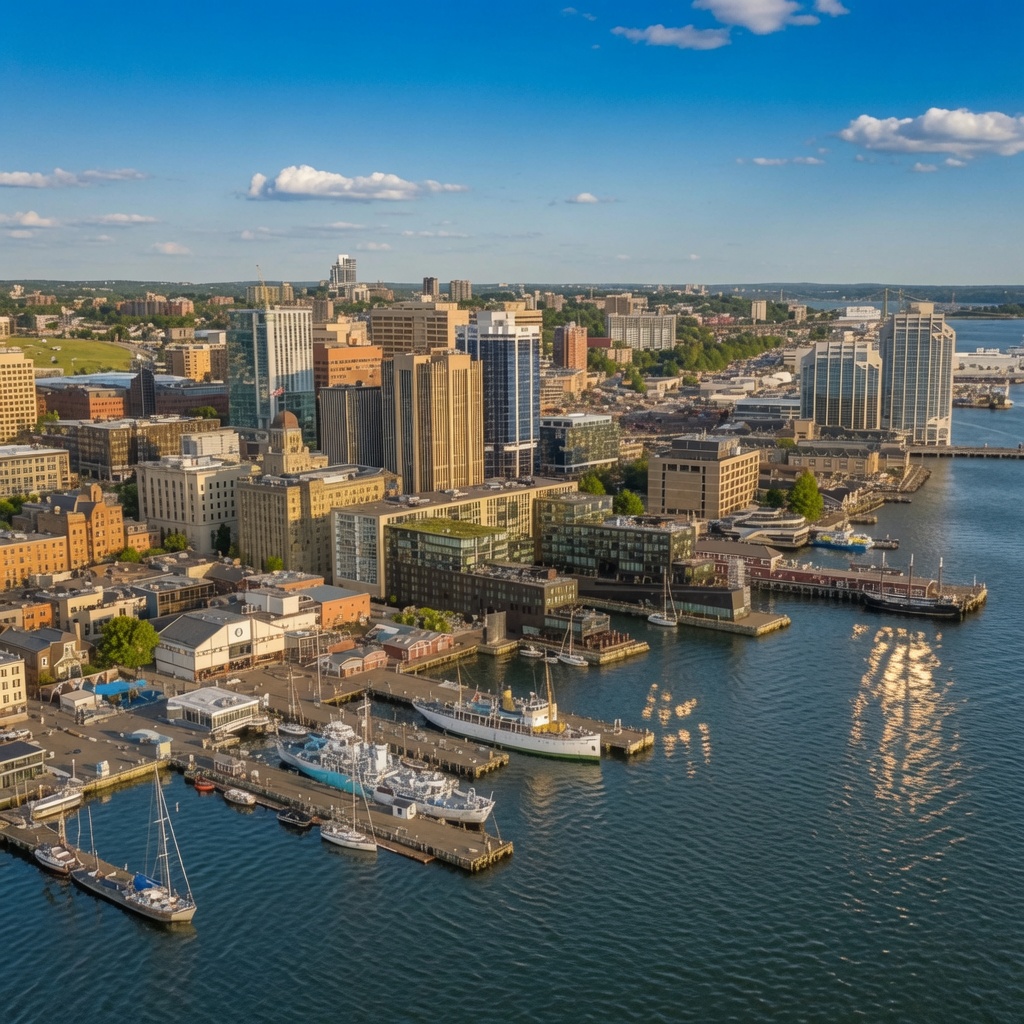
Join the yacht in Halifax
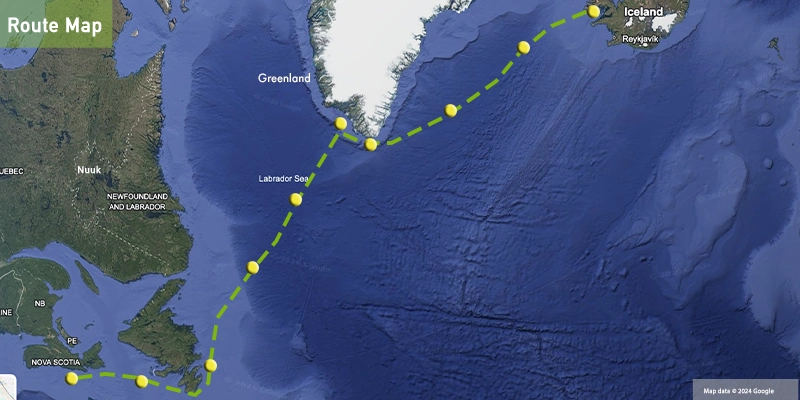
We join the boat in Halifax, the old seafaring capital of the Canadian Atlantic. The first day is settling in: stowing the food we need, finding your bunk, and working through the safety briefs and cold-water training that matter more the further north you go.
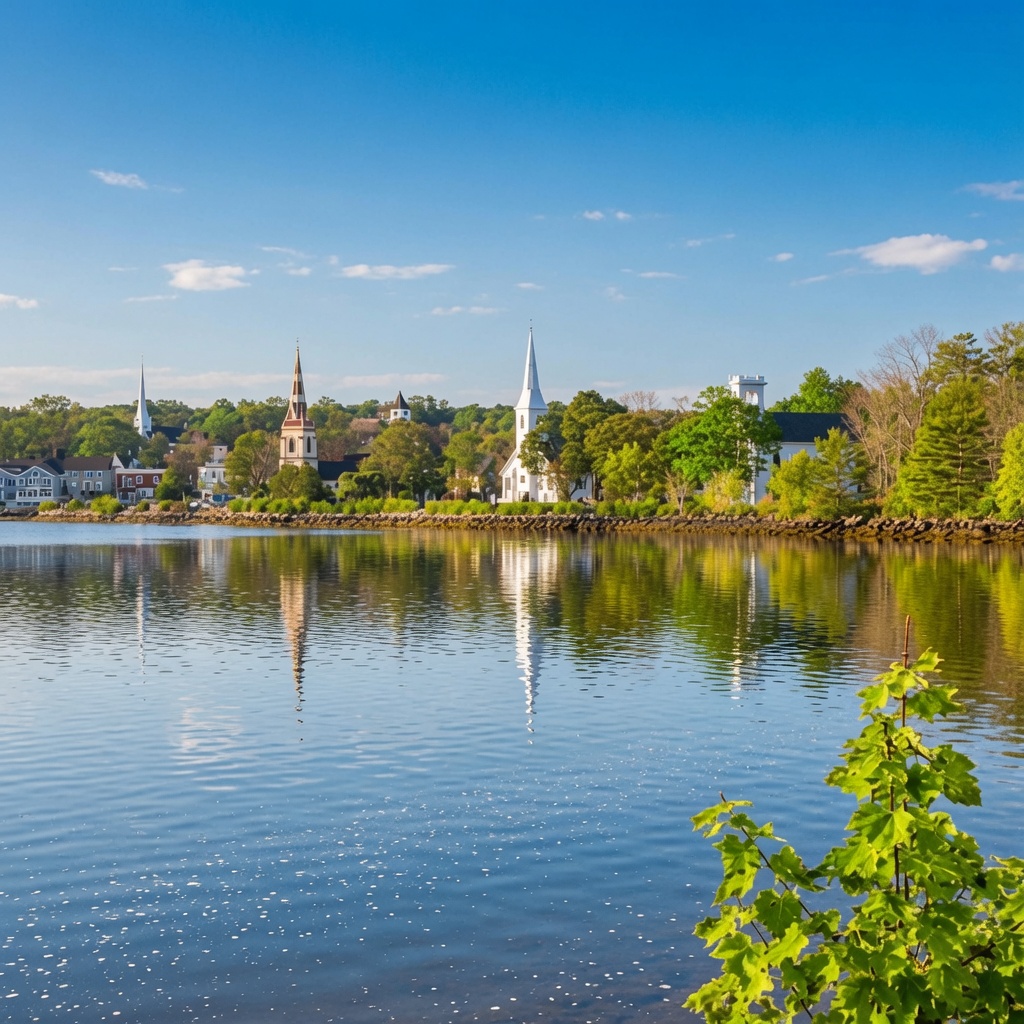
Shakedown along the Nova Scotia coast
Before we head offshore, we will look to spend a day or two cruising the coast out of Halifax, working the boat up and getting the crew up to speed among the beautiful islands of the South Shore. There is no better way to learn. By the time we slip out past Sambro Island light, lit in 1758 and the oldest still working in the Americas, and turn north-east for Newfoundland, the boat is a crew.
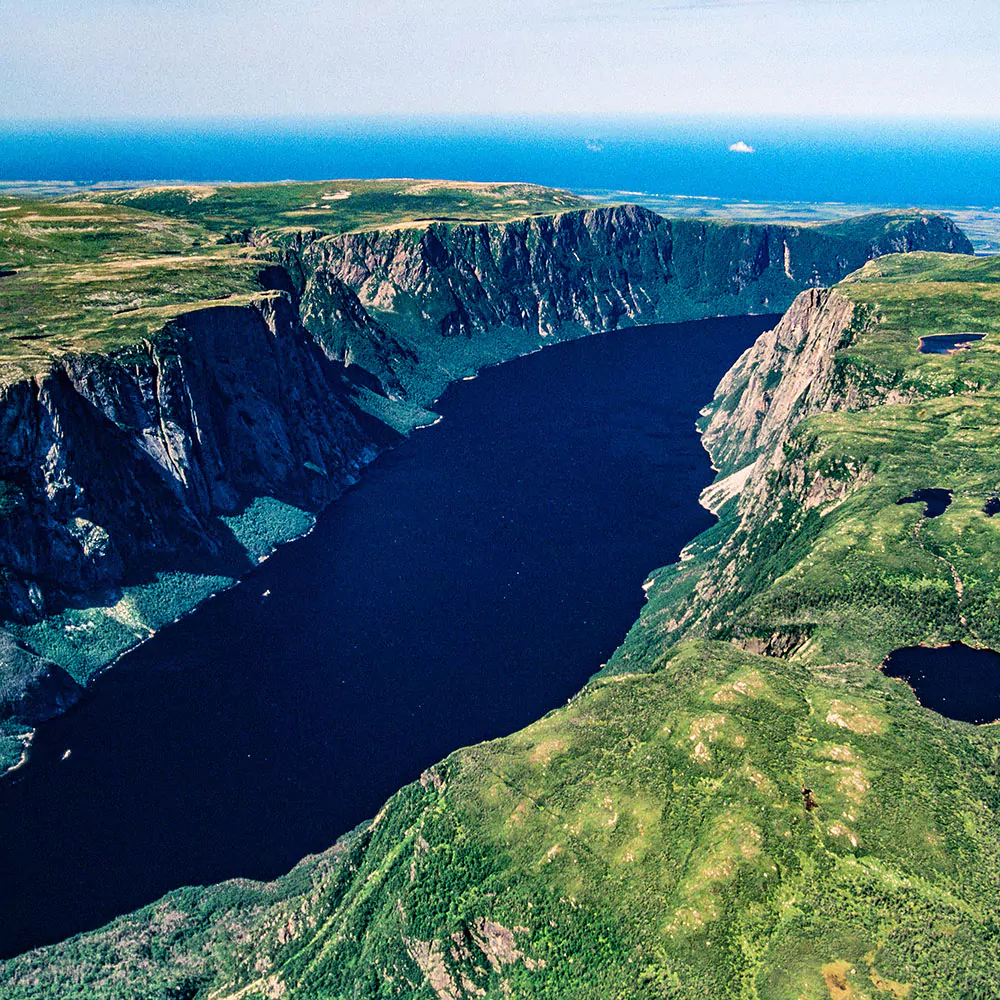
To St John’s, Newfoundland
It is about 500 miles and three days to St John’s, the easternmost city in North America, where the houses run up the hillside in jellybean reds and yellows and the harbour squeezes through a gap in the cliffs called the Narrows. Above the town stands Signal Hill, where Marconi heard the first transatlantic radio signal in 1901, and out at Cape Spear the land runs out at the very edge of the continent. This is the last big harbour before the Labrador Sea: we take on fuel and water, top up the fresh food, and go over the forecast for the crossing.
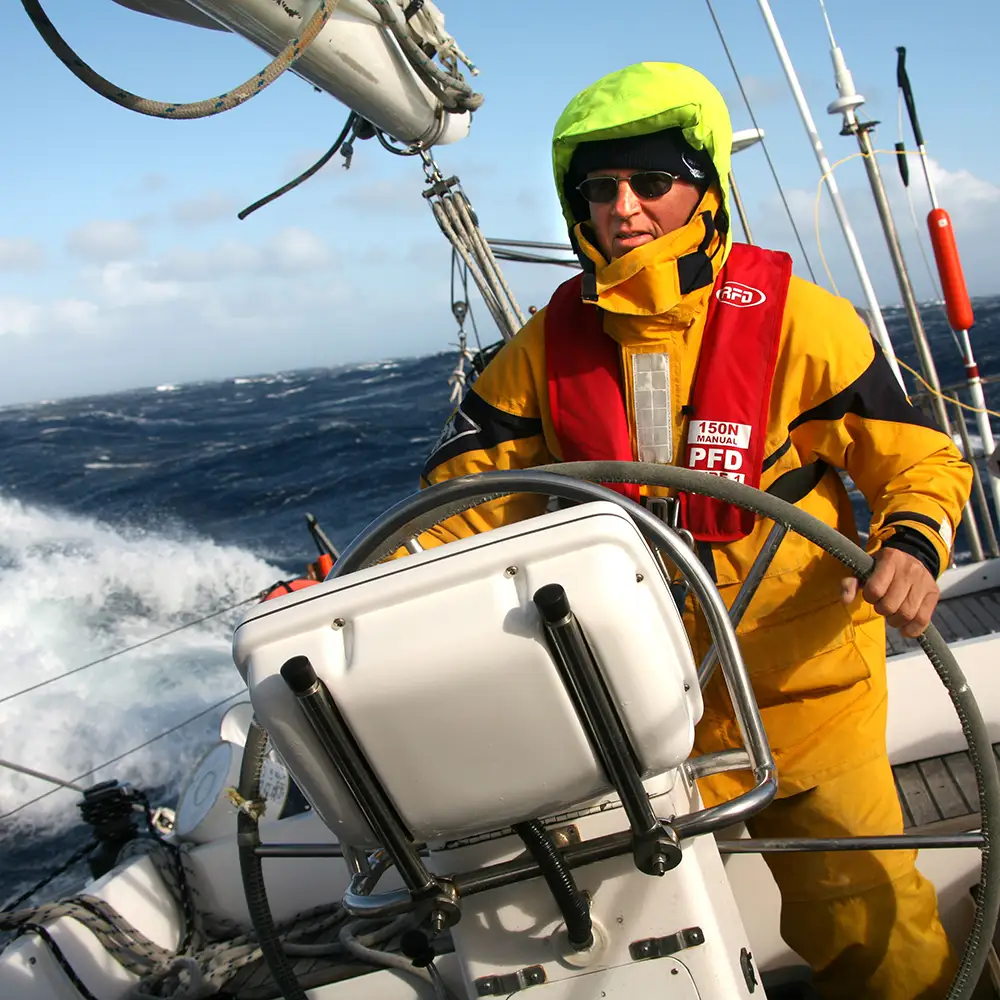
Across the Labrador Sea
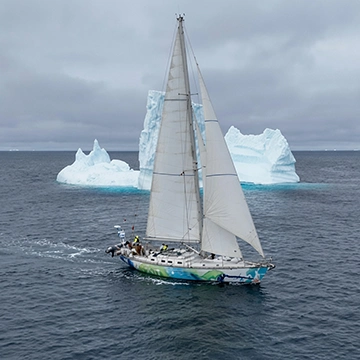
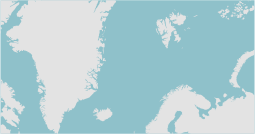
Then the first big offshore passage: about 880 miles of open ocean from St John’s to south Greenland, meaning five or six days at sea. The watches settle into their rhythm, three hours on and six off. You’ll see the water turns from grey-green to a steel blue, the air gets icy cold, and you are underway on a true high latitude offshore passage. There will likely be whales, and fulmars wheeling off the wave tops, and then the ice: a growler or two first, then the bergs, and behind them the mountains of Greenland. Landfall here, after the better part of a week at sea, is spectacular and exciting.
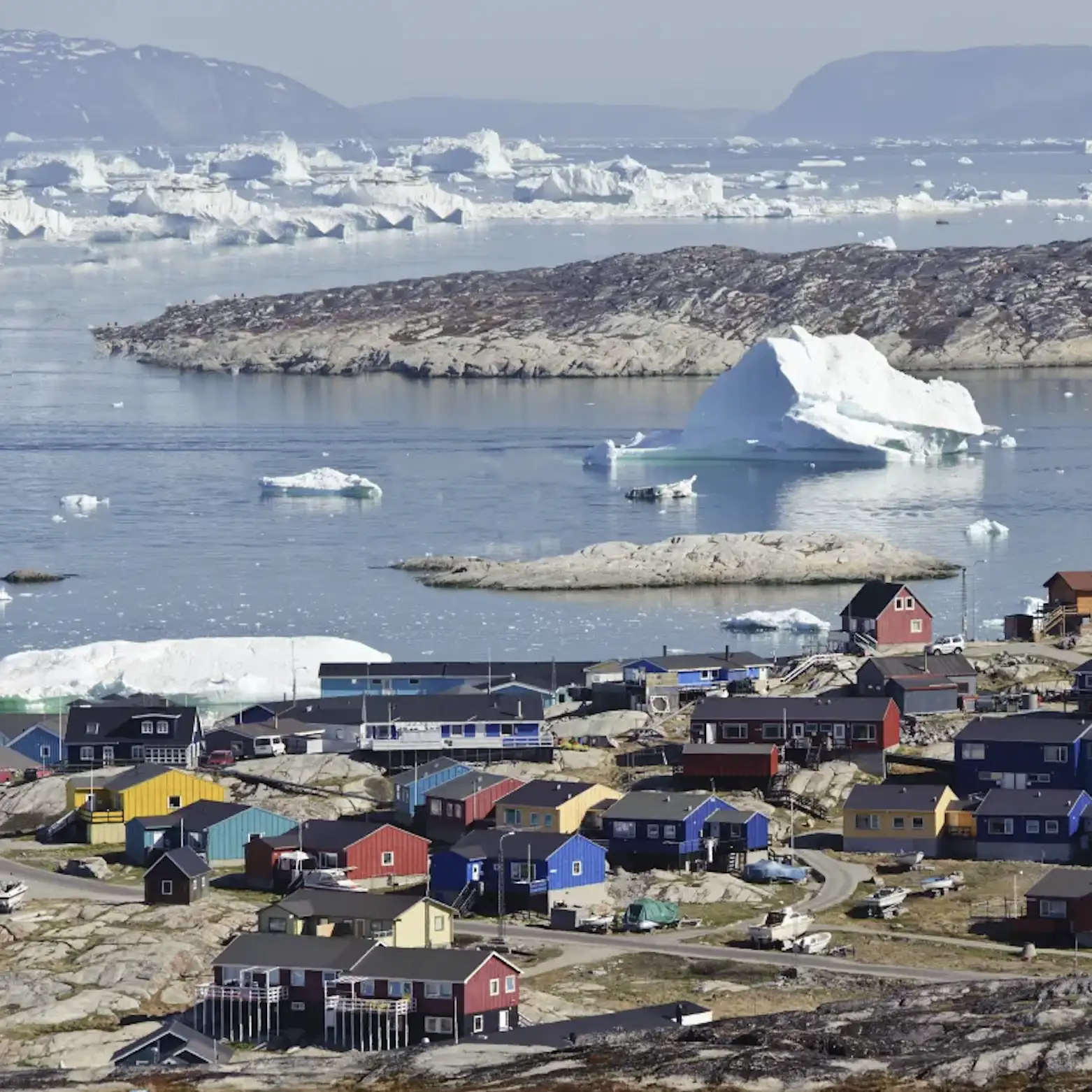
Qaqortoq and the Eastern Settlement
We likely clear in at Qaqortoq, the largest town in south Greenland, its harbour ringed by painted houses and old colonial buildings, with faces and figures carved straight into the granite along the shore. From here we explore the Eastern Settlement, the cluster of fjords where the Norse farmed for four hundred years.
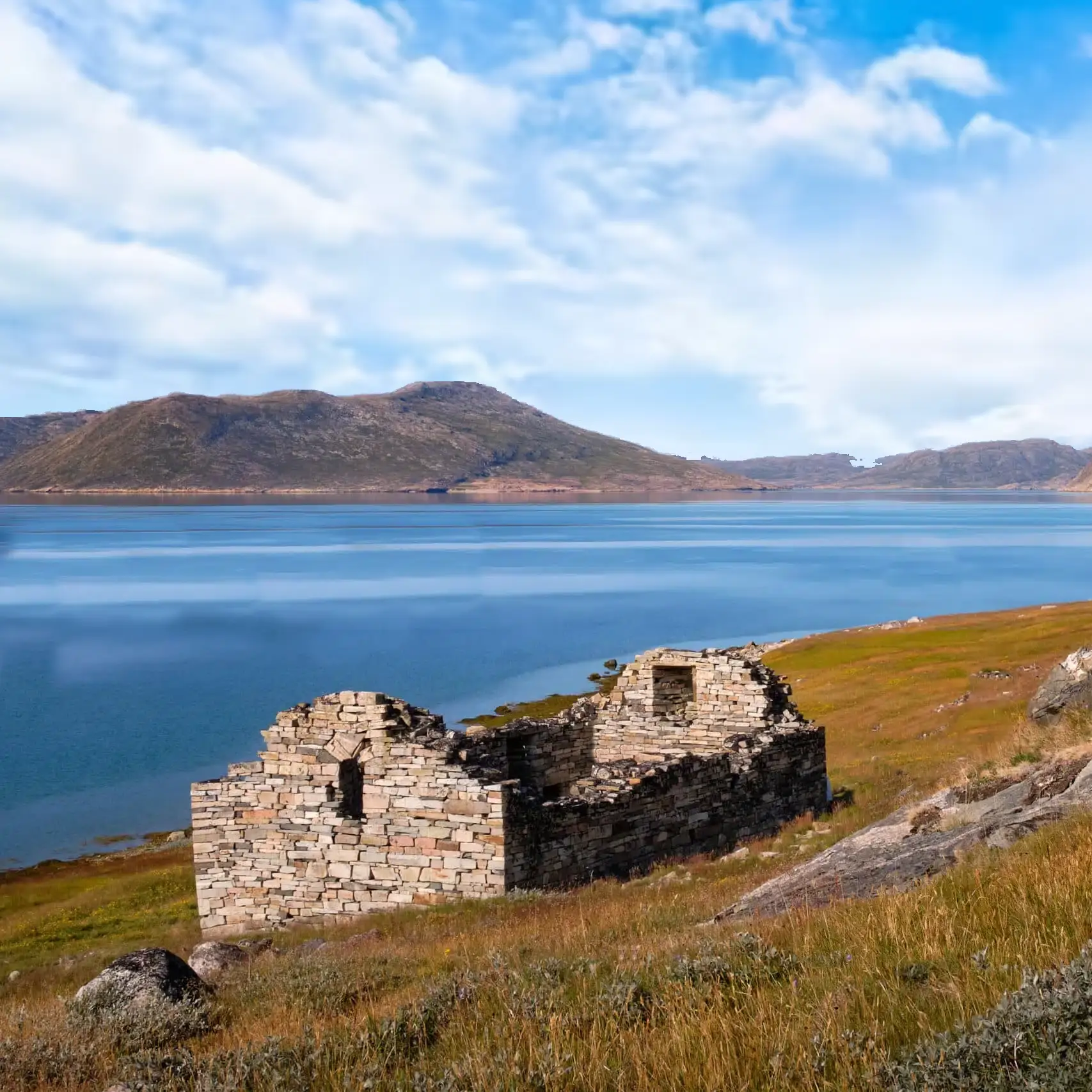 Church
Near Qaqortoq stand the walls of Hvalsey church, five or six metres high after six hundred years and the best-preserved Norse ruin in Greenland. The last written record of the Greenland Norse is a wedding held here in September 1408; the couple sailed afterwards to Iceland, the same way we are bound. Within a few generations the Greenland Norse were gone, and nobody is quite sure why.
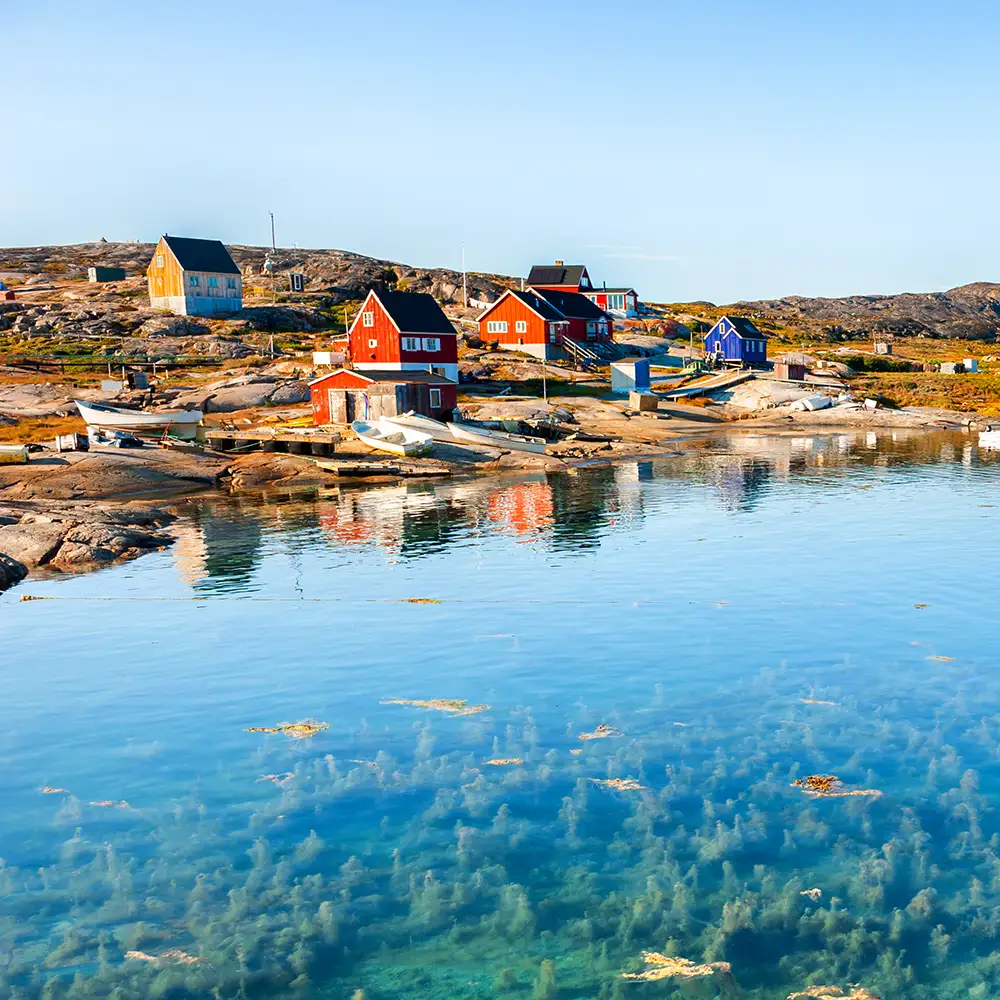
Qassiarsuk, the Brattahlid of the sagas
At the head of Eriksfjord we go ashore at Qassiarsuk, the Brattahlid of the sagas, where Erik the Red built his farm around 985 after he was outlawed from Iceland and named the place Greenland to tempt settlers across. A reconstructed turf longhouse and a tiny church stand among the sheep pasture. From these fields his son Leif sailed west and became, by most accounts, the first European to set foot in America, five hundred years before Columbus.
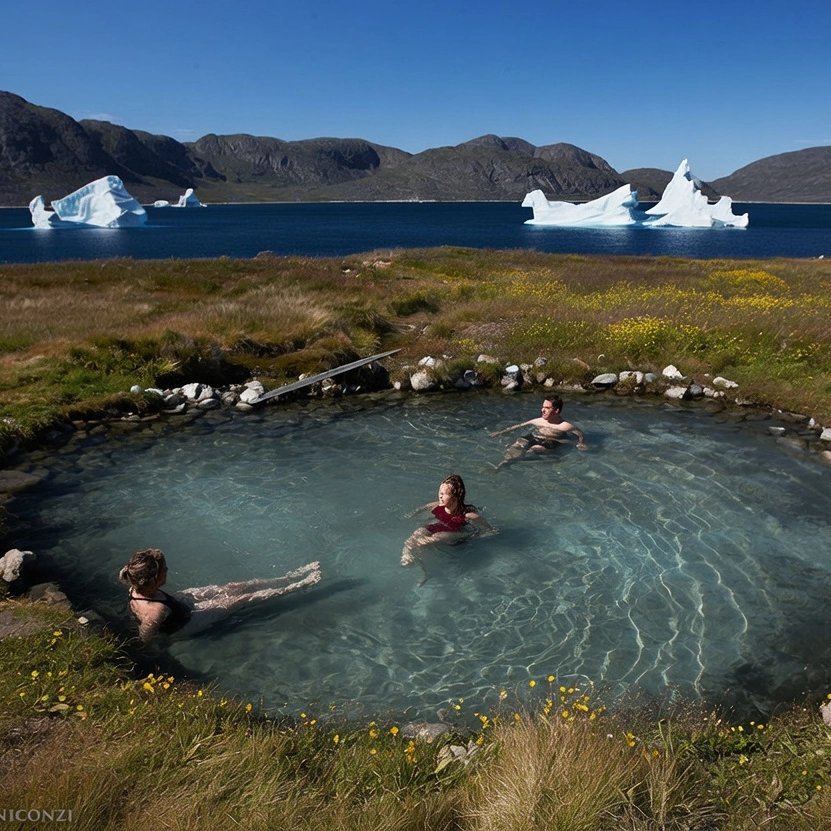
Uunartoq hot springs
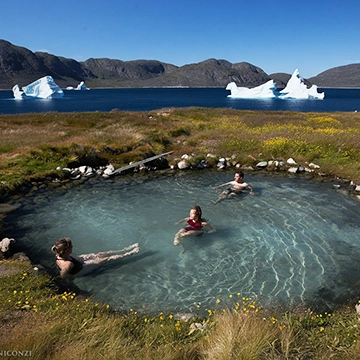
If the plan allows, we can anchor off Uunartoq and row ashore to its open-air hot springs, stone pools warm enough to sit in for an hour with icebergs grounded in the bay beyond.

Prins Christian Sund
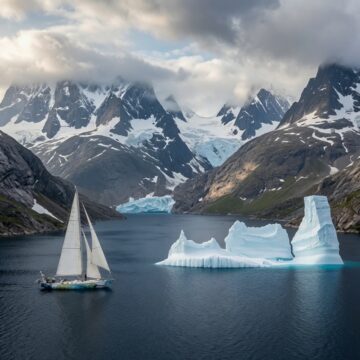
Then we sail about 100 miles south to the tip of Greenland and, weather allowing, take the inside passage through Prins Christian Sund, a 60-mile cut clean through the mountains. This is memories of a lifetime stuff. Glaciers come down to the water on either side and calve into the channel; we pick our way through the brash ice with the engine barely turning, everyone on deck, the loudest sound the ice knocking along the hull.
Across the Denmark Strait to Iceland
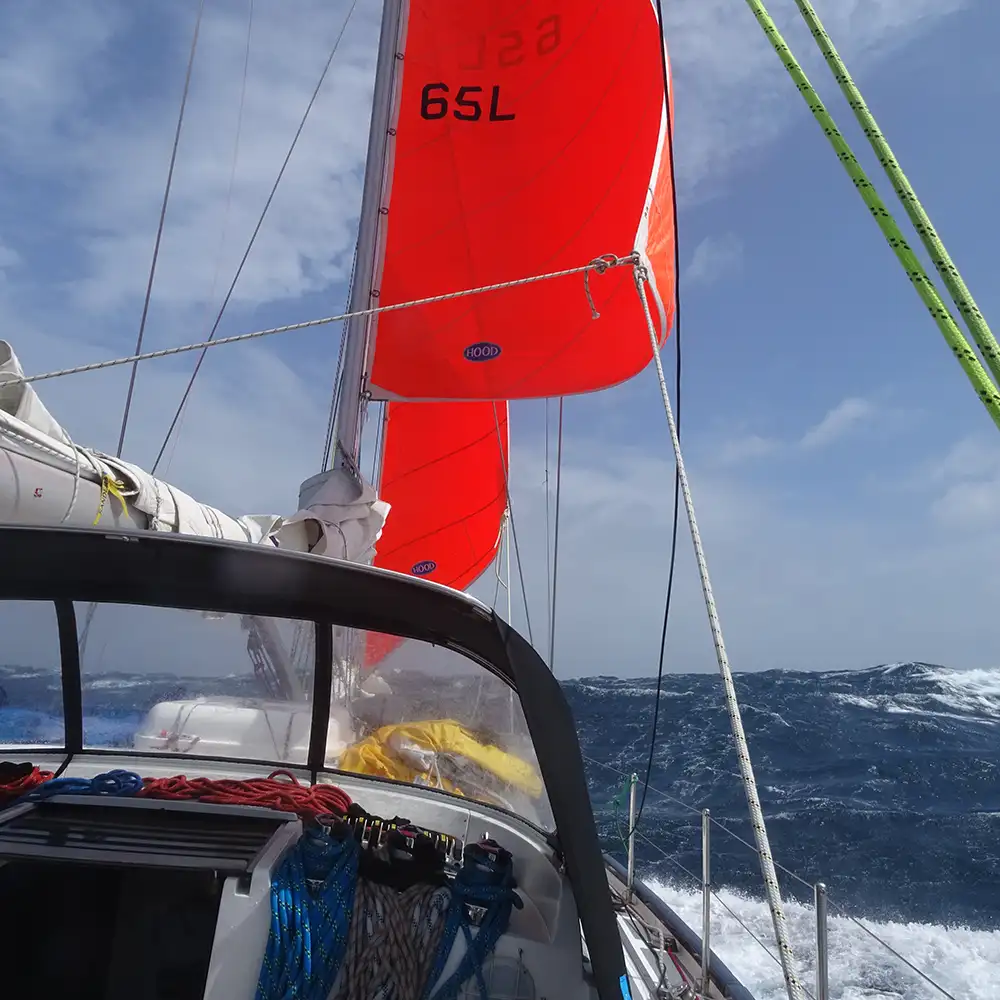
Out of the sound it is about 670 miles and four days east across the Denmark Strait to Iceland, the last offshore leg and often the liveliest, with the wind funnelling between the two great islands. The watches turn one more time. Then Iceland comes up over the bow, the Snaefellsnes peninsula or the Reykjanes shore, and we run in past the steam of the geothermal coast towards Reykjavik.
Journey’s end: Reykjavik
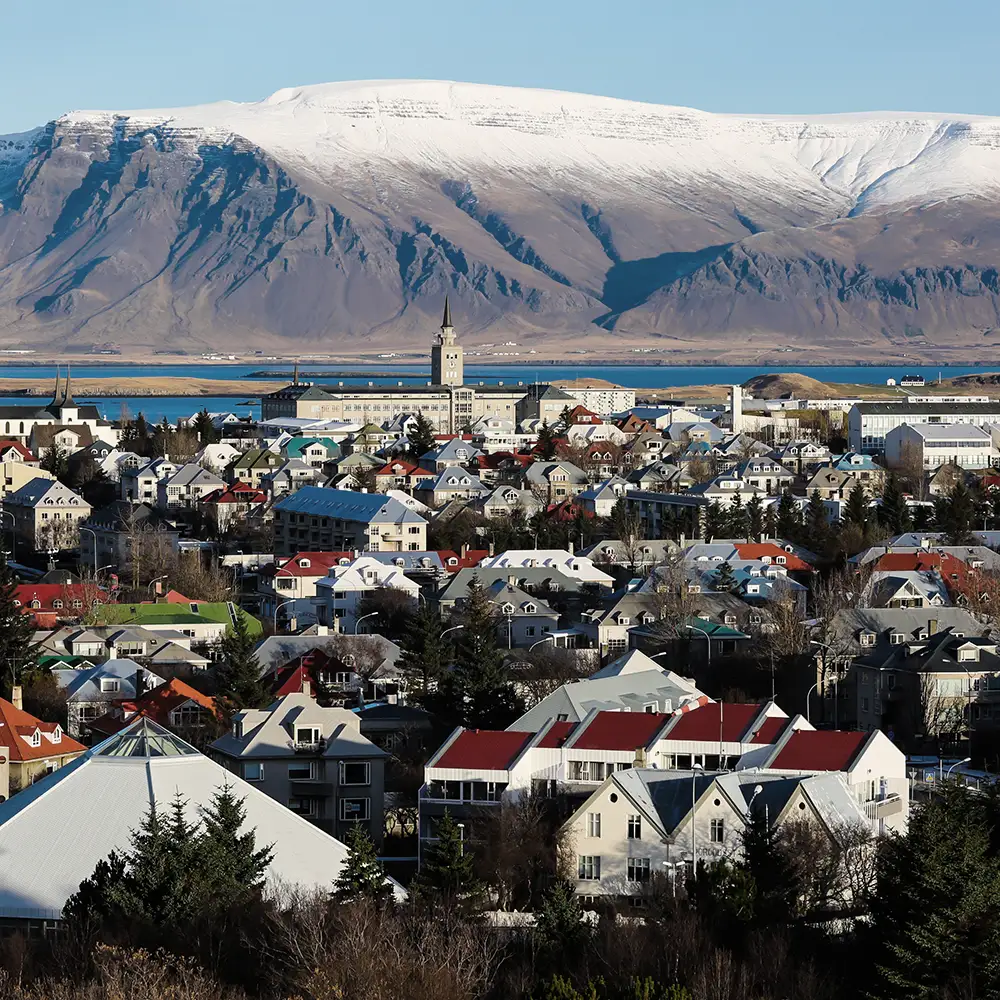
We tie up in Reykjavik, where Ingolfur Arnarson made the first Norse home in Iceland in 874, eleven hundred years before us. It is a fitting end to a Viking crossing: a working harbour city of fishing boats and bars, hot water straight from the ground, and the Atlantic you have just sailed laid out behind you.




 Instructors:
 Crew Size:
 Ages:
Ages: