This is a real sailing expedition, so there is no rigid day-by-day itinerary. Weather, sea state and the progress of the crew will determine exactly where we go and when. That is part of the Masterclass. You won’t simply be told the plan. You’ll learn how an offshore passage develops: studying the forecasts, looking at the alternatives, choosing the right weather window and adapting as conditions change.
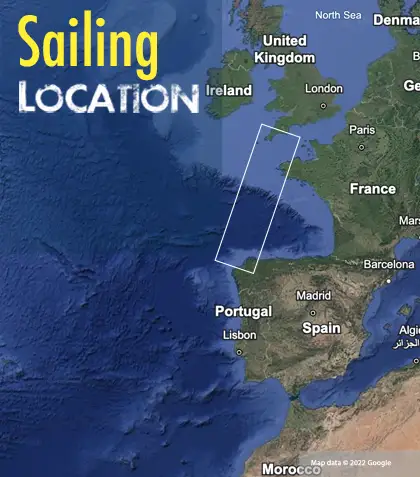
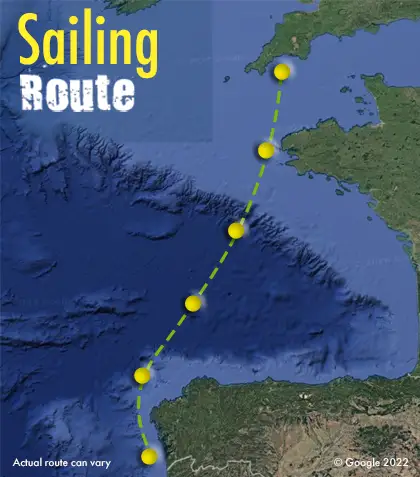
You will sail from England to Spain, with Brest and A Coruña common stops along the way, before rounding Cape Finisterre and finishing with cruising in the Rias north of Vigo. It is a superb progression from coastal sailing into a genuine multi-day offshore passage.
Day 1: Weather, Routing & Heavy Weather Masterclass
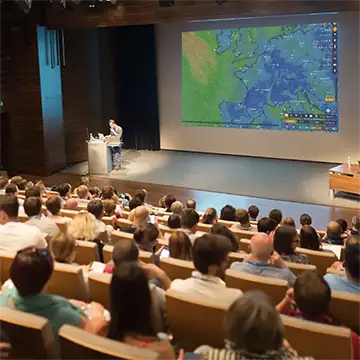
Before going anywhere near Biscay, we spend a full day ashore preparing for it. Simon Rowell, meteorologist to the British Olympic sailing team, leads an in-depth weather session looking at the systems that shape an offshore passage: synoptic charts, fronts, GRIB data, sea state, routing and, crucially, how much confidence to place in a forecast.
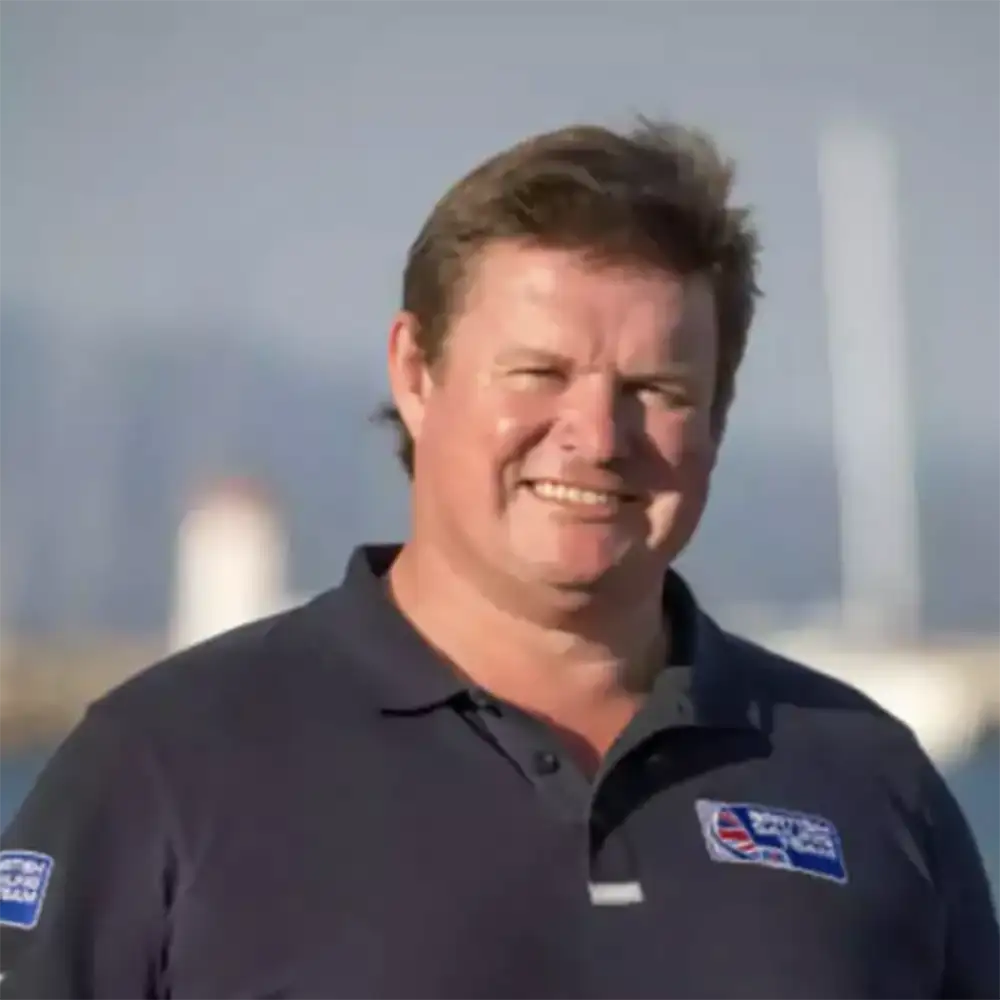
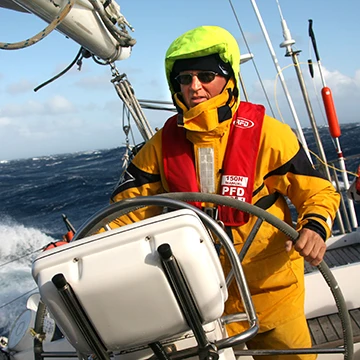
Rubicon 3 founder Bruce Jacobs then leads the heavy-weather session. We look at preparation, reefing strategies, sea states, storm tactics, drogues, sea anchors and the decisions an experienced skipper makes before conditions become difficult.
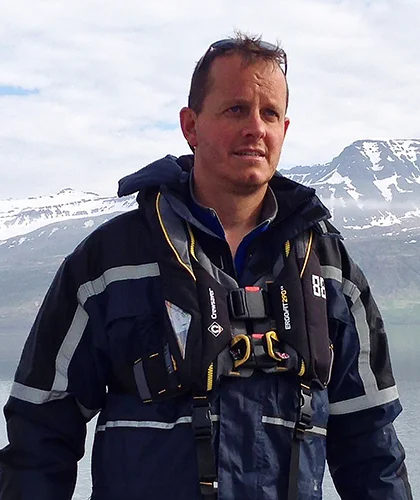
The point is not to frighten you with everything that can go wrong offshore. It is to understand the tools, techniques and judgement that allow good sailors to manage an offshore passage properly. We finish by starting to analyse the actual conditions ahead of us and considering the route south.
Day 2: Back on the Water
Our first sailing day is deliberately about getting everyone settled into the yacht. Some crew will have sailed recently. Others may be decidedly rusty. That is completely normal. We work through sail handling, reefing, helming, manoeuvres, navigation, safety procedures and how we operate the yacht as a team. There is plenty of time on the helm and plenty of opportunity to practise. Depending on conditions, we may head into the beautiful Helford River for the night. It gives everyone a chance to settle into life aboard before the passage begins in earnest.
The First Passage: South to Brittany
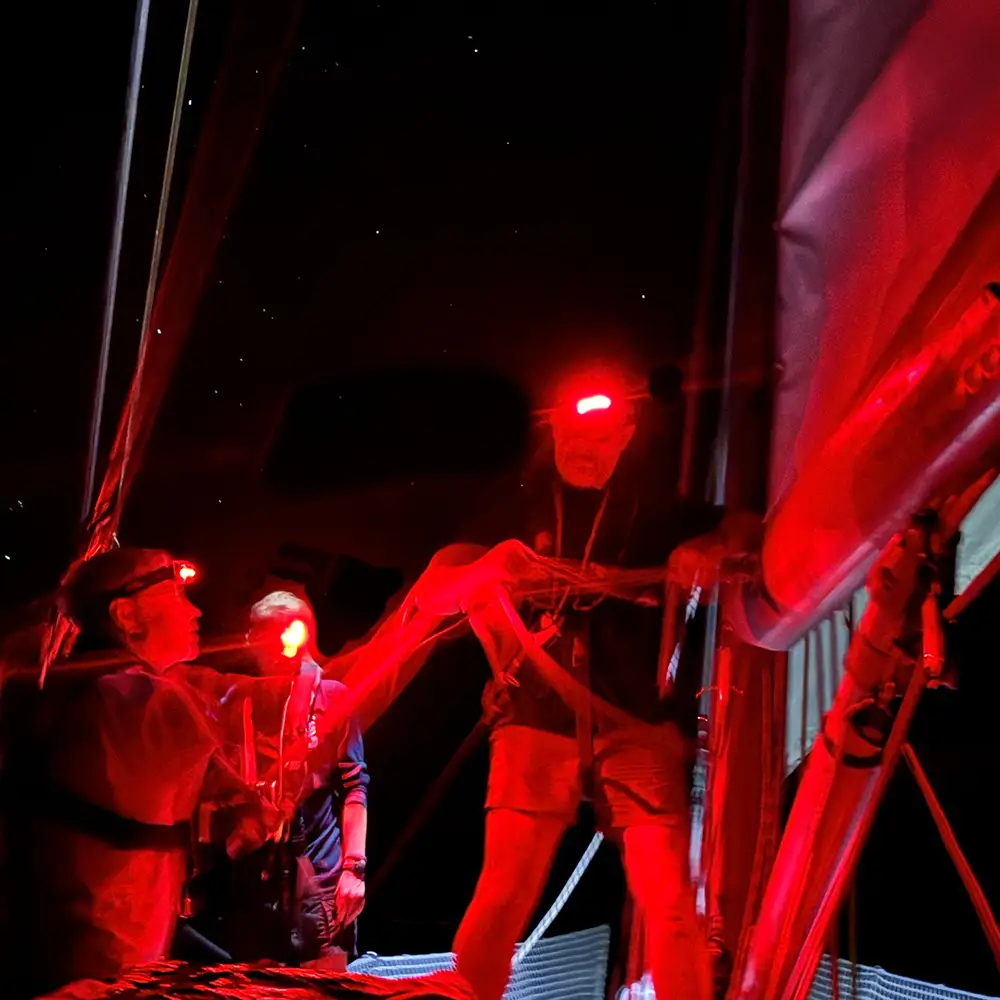
Now things start to get serious. Our first substantial passage is usually around 110 miles across the Channel towards Brest. Depending on the weather, rounding Ushant may also come into play. This is an excellent first test. You will be navigating across busy shipping routes, working with tides, keeping watches and sailing through the night. Rather than merely following the skipper’s decisions, you will be involved in understanding them. Where are we going? What is the tide doing? What traffic are we likely to encounter? What weather is arriving behind us? Should we alter the sail plan now or wait?
It is exactly the sort of decision-making that turns sailing knowledge into practical seamanship. If time and conditions allow, we can enjoy some time ashore in Brest before the main passage south.
The Big One: Crossing Biscay
Brest is traditionally one of the great departure points for yachts heading south into the Atlantic. From here, the next decision matters: when do we leave? We will study the forecasts, compare the models, look at wind direction, strength and sea state, and decide when we have the right window to head offshore.
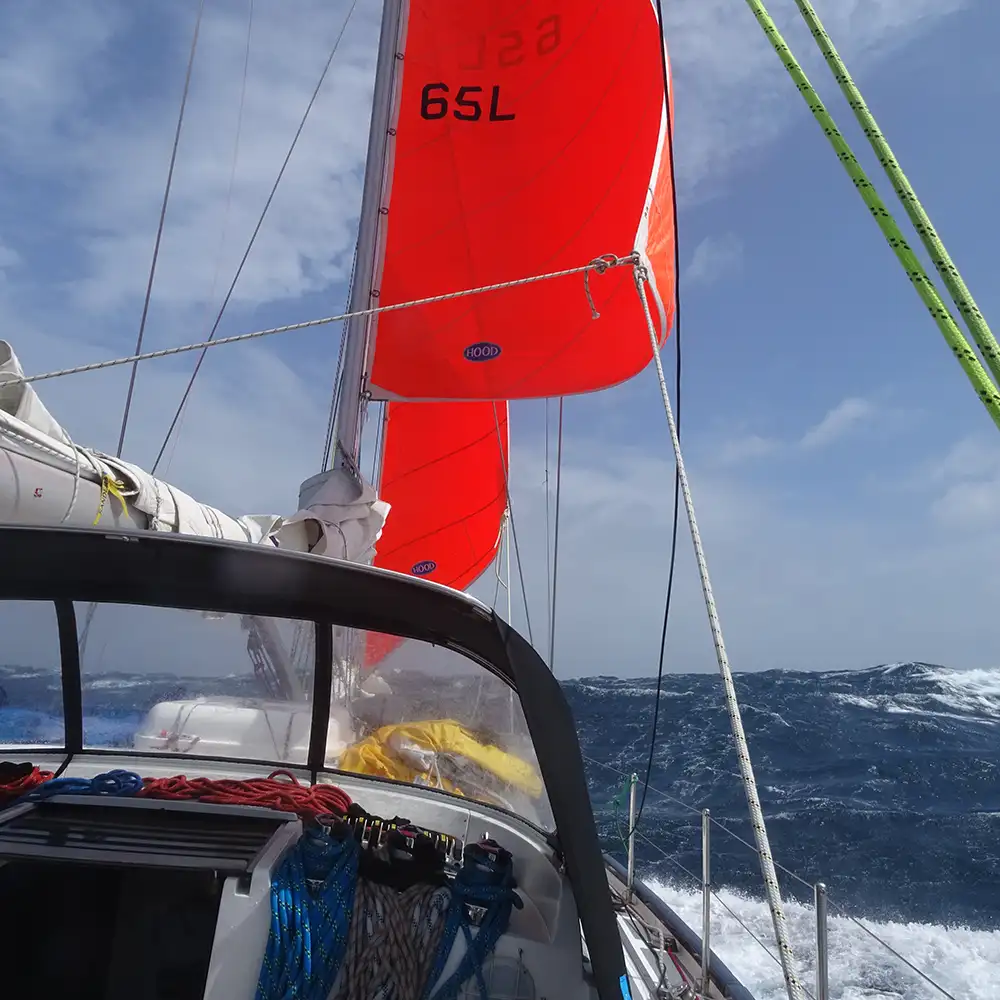
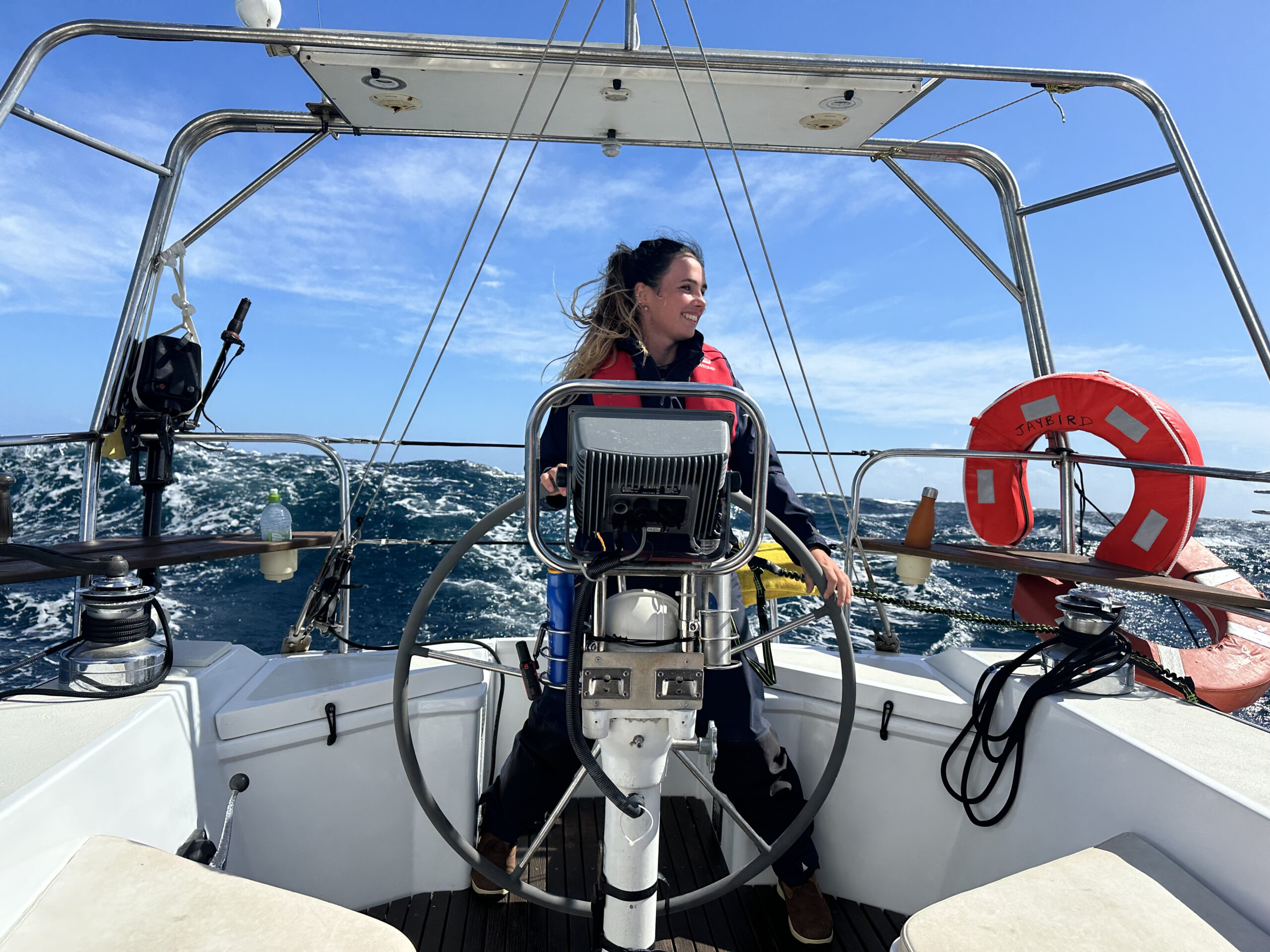
Then we go. The crossing towards Galicia is around 400 miles and will normally mean two or three days continuously at sea. This is where the Masterclass really comes together. You will move into a full watch system and experience the rhythm of a proper offshore passage: sailing through daylight and darkness, sleeping while others run the yacht, waking for watches, navigating hundreds of miles from land and watching the weather develop around you.
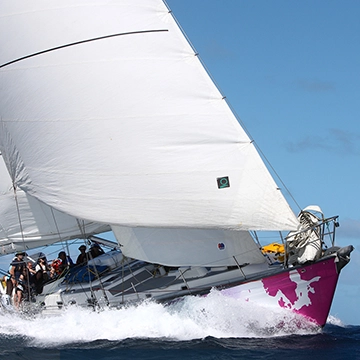
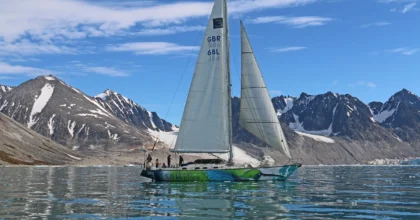
Our 60′ expedition yachts come into their own here. They are powerful, immensely capable offshore boats, and with a good breeze they can cover ground quickly. You will work on sail trim, helming, offshore navigation, weather interpretation, watchkeeping, fatigue management and the countless small decisions that keep a passage running well.
And there is something very different about waking up on your second morning, looking around and seeing nothing but Atlantic Ocean. This is proper offshore sailing.
Landfall in Galicia
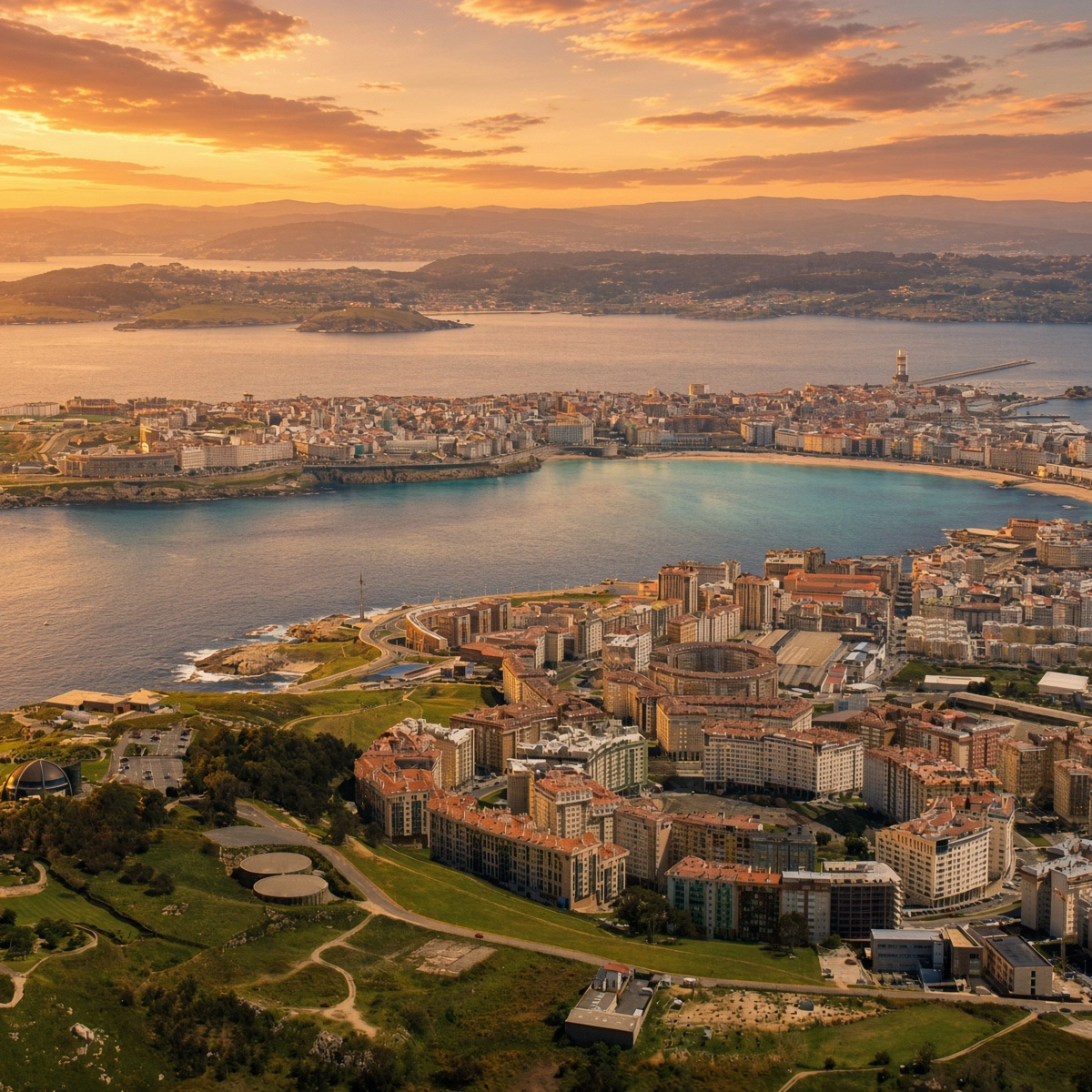
After several days at sea, the mountains and coastline of north-west Spain eventually appear ahead. A common first port is A Coruña. Making landfall after a proper offshore passage is one of sailing’s great experiences. You have left one country, sailed through several nights and hundreds of miles of open water, and arrived somewhere completely different under your own sail.
A Coruña is a lively Galician city with a huge maritime history, excellent food and a waterfront that feels particularly good after several days offshore. If the passage has gone well, there should also be time to get ashore, find some tapas and enjoy being back on dry land.
Around Cape Finisterre
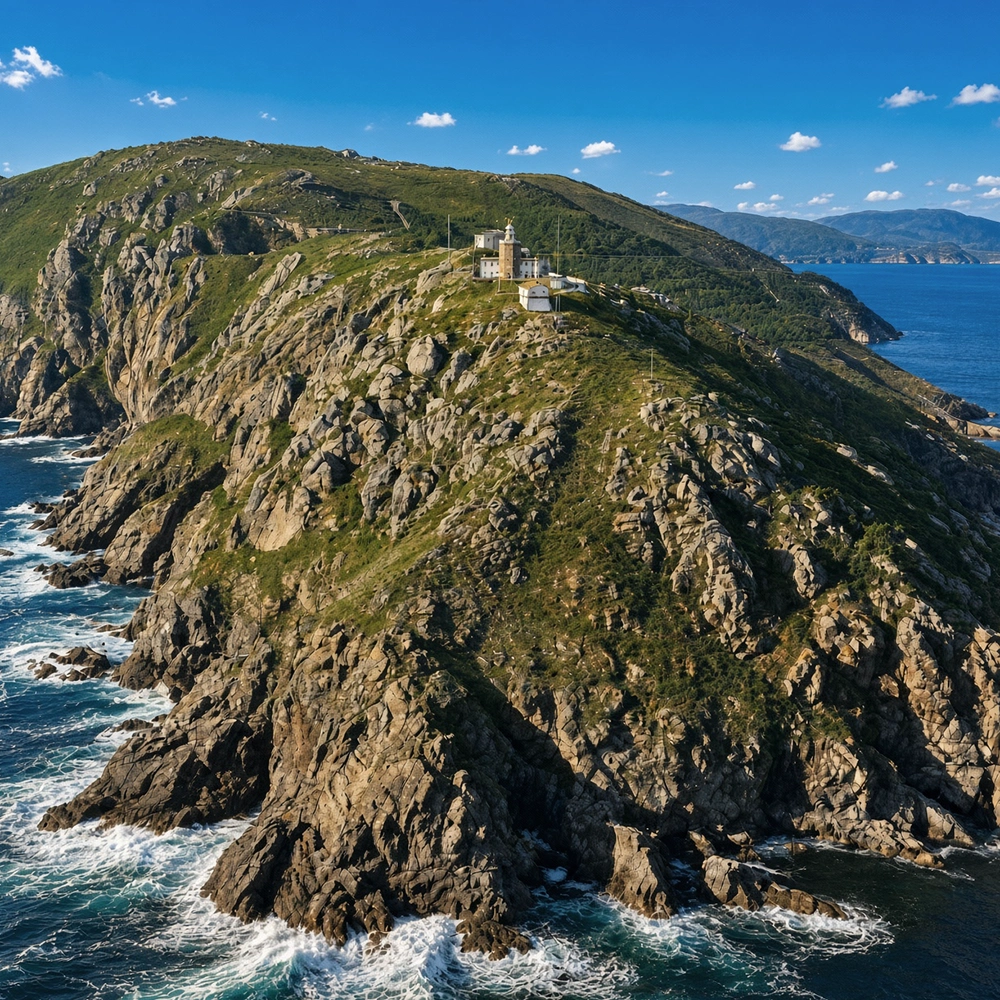
From A Coruña we still have another wonderful stretch of sailing ahead. Cape Finisterre – literally the old “end of the earth” – projects into the Atlantic on the north-west corner of Spain. For centuries it was one of Europe’s great maritime landmarks. By now the transformation onboard is usually obvious. The slightly rusty group that left England has become a functioning offshore crew. Watches work smoothly. Sail changes are quicker. Navigation makes more sense. People understand what the weather is doing and why decisions are being made. That allows us to enjoy the final miles down the Galician coast, using the conditions and time available to explore some of its anchorages and small coastal towns. There may be opportunities for an evening ashore, a sheltered anchorage or even a walk out towards Cape Finisterre itself.
Finish in Vigo
Our final destination is Vigo.By the time we arrive, you will have sailed from England to Spain, crossed the Channel, completed a multi-day Biscay passage, stood offshore watches through the night, navigated in coastal and open-ocean conditions and helped make the weather and passage decisions that got the yacht safely there.
That is the real objective of the Masterclass. Not simply more miles. Not another qualification.
Experience, judgement and the confidence to look at a serious offshore passage and know how to approach it.
What You’ll Work On Along the Way
Throughout the expedition we will cover:
- Offshore passage planning and weather routing
- Interpreting forecasts, synoptic charts and GRIB data
- Choosing and reassessing a weather window
- Coastal and offshore navigation
- Night sailing and watchkeeping
- Sail trim and efficient offshore sailing
- Reefing and heavy-weather preparation
- Sea state and storm tactics
- Radar, AIS and collision avoidance
- Tidal planning and pilotage
- Crew management and fatigue
- Emergency procedures and offshore safety
- Leadership, communication and decision-making
Everything is taught in context, as part of the passage you are actually making.
A Note About the Itinerary
Biscay is not somewhere we operate to a fixed timetable. The skipper will always choose the route and timing according to the weather, sea state, yacht and crew. Brest, A Coruña, Finisterre and other stops described above are therefore possibilities rather than guarantees.
That flexibility isn’t an inconvenience to the Masterclass. Learning when to go, when to wait and when to change the plan is one of the most important offshore sailing skills there is.








 Trip Type:
 Instructors:
 Crew Size:
 Ages:
Ages:
 Region: